
Thyroid surgery
Varicose Veins
Piles
Fissure
Fistula
Pilonidal sinus
Circumcision
Hernia
Hydrocele
Hysterectomy
Gynaecomastia
Lipoma
Sebaceous cyst
Diabetes
Diabetic foot
Gastric ulcer
Appendicitis
Thyroid surgery
Burns
Trauma & Accident care
Intestinal perforation
Intestinal obstruction
DVT
Gallstone
Metabolic and Bariatric
Best Thyroid Surgery Hospital in Rajahmundry
- Advanced diagnosis and surgical treatment for thyroid disorders and thyroid gland diseases
- Experienced endocrine surgeons, general surgeons, ENT specialists, and thyroid care experts
- Comprehensive care for thyroid nodules, goiter, thyroid cancer, and hyperthyroidism
- Advanced minimally invasive and precision thyroid surgery facilities
- State-of-the-art operation theatres and critical care infrastructure
- Personalized treatment plans focused on safety, hormonal balance, and faster recovery
- 24/7 emergency support for complex thyroid and airway-related conditions
- Specialized evaluation for thyroid swelling, neck masses, and endocrine disorders
- Modern diagnostic imaging, pathology, and hormonal testing facilities
- Compassionate, patient-focused, and affordable surgical care
- Integrated endocrinology, surgery, anesthesia, and rehabilitation support
- Advanced postoperative monitoring and long-term thyroid management programs
Apex Hospitals is one of the trusted healthcare destinations for advanced thyroid surgery and endocrine care in Rajahmundry. The hospital provides comprehensive diagnosis, hormonal evaluation, surgical treatment, minimally invasive procedures, cancer evaluation, and postoperative thyroid management with a strong focus on patient safety, precision surgery, cosmetic outcomes, and long-term hormonal balance.
Most people ignore thyroid swelling until it becomes visible, painful, or starts affecting swallowing and breathing. Others continue living with thyroid symptoms for years without proper evaluation:
- Neck swelling
- Fatigue
- Weight changes
- Palpitations
- Difficulty swallowing
- Voice changes
- Anxiety
- Hormonal imbalance
That delay creates bigger problems.
Not every thyroid condition requires surgery. But when surgery is necessary, delaying treatment can increase the risk of:
- Large goiter formation
- Compression of nearby structures
- Breathing difficulty
- Hormonal complications
- Suspicious nodules
- Thyroid cancer progression
Thyroid surgery requires precision. The thyroid gland is located close to critical nerves, blood vessels, vocal cord nerves, and parathyroid glands. Inexperienced surgical handling increases the risk of voice changes, calcium imbalance, bleeding, and complications.
At Apex Hospitals, patients receive evidence-based thyroid surgical care supported by experienced endocrine surgeons, ENT specialists, endocrinologists, anesthesiologists, radiologists, pathologists, and critical care experts. The hospital focuses on accurate diagnosis, advanced surgical planning, minimally invasive approaches, complication prevention, and long-term endocrine recovery.
The thyroid surgery program at Apex Hospitals covers:
- Thyroid nodules
- Goiter
- Multinodular goiter
- Hyperthyroidism
- Toxic thyroid nodules
- Thyroid cysts
- Thyroid cancer
- Enlarged thyroid gland
- Graves’ disease
- Thyroid swelling
- Thyroidectomy procedures
- Recurrent thyroid disorders
As one of the advanced endocrine and surgical care centers in Rajahmundry, Apex Hospitals combines modern surgical expertise with patient-centered care to provide complete thyroid disorder management under one roof. The hospital emphasizes accurate diagnosis, minimally invasive surgery, cosmetic precision, hormonal stabilization, cancer evaluation, and long-term postoperative care.
The thyroid specialists at Apex Hospitals work closely with endocrinologists, radiologists, pathologists, anesthesiologists, intensivists, and rehabilitation teams to ensure coordinated treatment for every patient. Whether patients require thyroidectomy, cancer surgery, minimally invasive thyroid procedures, hormone management, or postoperative monitoring, Apex Hospitals delivers comprehensive care with clinical precision and compassionate support.
Why Choose Apex Hospitals for Thyroid Surgery
At Apex Hospitals, thyroid surgery focuses on surgical precision, patient safety, hormonal stability, cosmetic outcomes, and faster recovery. The hospital combines experienced specialists, modern surgical technology, and multidisciplinary support to ensure effective thyroid treatment outcomes.
Experienced Endocrine & Thyroid Surgeons
The hospital is supported by highly experienced surgeons trained in advanced thyroid and endocrine surgical procedures.
Advanced Minimally Invasive Surgical Techniques
Modern thyroid surgery offers several advantages:
- Smaller incisions
- Better cosmetic appearance
- Reduced pain
- Lower bleeding risk
- Faster recovery
- Shorter hospital stay
- Improved surgical precision
Comprehensive Thyroid Care
Apex Hospitals provides complete diagnosis and treatment for:
- Thyroid enlargement
- Thyroid nodules
- Thyroid cancer
- Hyperthyroidism
- Goiter
- Recurrent thyroid disorders
- Thyroid cysts
- Hormonal imbalance conditions
Personalized Treatment Plans
Every patient receives individualized care based on:
- Type of thyroid disease
- Hormonal status
- Nodule characteristics
- Cancer risk
- Age and overall health
- Cosmetic concerns
- Surgical requirements
Advanced Diagnostic Facilities
Modern diagnostic systems support:
- Thyroid hormone evaluation
- Ultrasound imaging
- FNAC testing
- Cancer screening
- Neck imaging
- Postoperative monitoring
Modern Surgical Infrastructure
The hospital is equipped with advanced operation theatres, minimally invasive surgical systems, anesthesia support, intensive care facilities, and postoperative monitoring units.
Affordable & Accessible Thyroid Care
Apex Hospitals believes advanced thyroid surgery should remain affordable and accessible without compromising patient safety or treatment quality.
Our Expert Thyroid Surgery Team
The thyroid surgery department at Apex Hospitals is supported by experienced endocrine surgeons, ENT specialists, endocrinologists, anesthesiologists, radiologists, pathologists, nurses, and rehabilitation professionals dedicated to delivering advanced thyroid care.
The team focuses on:
- Accurate diagnosis
- Safe surgery
- Hormonal balance
- Cancer management
- Cosmetic precision
- Faster recovery
- Long-term endocrine health
- Patient safety and comfort
Through coordinated multidisciplinary care, patients receive complete thyroid disorder management under one roof.
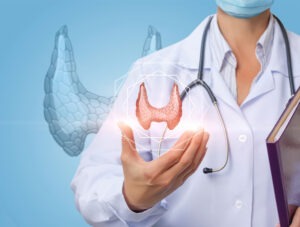
Understanding the Thyroid Gland
The thyroid is a butterfly-shaped gland located in the front of the neck. It produces hormones that regulate:
- Metabolism
- Energy levels
- Body temperature
- Heart rate
- Growth and development
- Weight control
When thyroid function becomes abnormal, multiple body systems are affected.
Some thyroid conditions are managed medically, while others require surgery due to:
- Large swelling
- Cancer suspicion
- Compression symptoms
- Hormonal overactivity
- Recurrent disease
Common Thyroid Disorders Requiring Surgery
- Thyroid Nodules : Small lumps developing inside the thyroid gland. Some may become large or suspicious for cancer.
- Goiter : Abnormal enlargement of the thyroid gland causing visible neck swelling.
- Multinodular Goiter : Multiple thyroid nodules leading to gland enlargement and pressure symptoms.
- Hyperthyroidism : Overactive thyroid gland producing excessive hormones.
- Graves’ Disease : Autoimmune condition causing hyperthyroidism and thyroid enlargement.
- Thyroid Cancer : Malignant thyroid tumors requiring surgical removal and specialized treatment.
- Thyroid Cysts : Fluid-filled thyroid swellings that may enlarge or recur.
Symptoms of Thyroid Disorders
Symptoms depend on whether the thyroid is underactive, overactive, enlarged, or cancerous.
Common symptoms include:
- Neck swelling
- Difficulty swallowing
- Breathing difficulty
- Voice changes
- Weight gain or loss
- Fatigue
- Palpitations
- Anxiety
- Hair loss
- Excess sweating
- Tremors
- Persistent throat discomfort
- Enlarged neck mass
Ignoring persistent thyroid symptoms delays diagnosis and treatment.
Causes & Risk Factors for Thyroid Disease
Several factors contribute to thyroid disorders.
- Hormonal Imbalance : Abnormal thyroid hormone regulation affects gland function.
- Iodine Deficiency : Insufficient iodine intake may contribute to goiter formation.
- Autoimmune Disorders : Conditions such as Graves’ disease and Hashimoto’s thyroiditis affect the gland.
- Family History : Genetic factors significantly influence thyroid disease risk.
- Radiation Exposure : Past radiation exposure increases thyroid cancer risk.
- Female Gender : Women are more likely to develop thyroid disorders.
- Aging : Risk increases with age, especially for thyroid nodules.
When is Thyroid Surgery Necessary?
Not every thyroid condition needs surgery. Surgery is usually recommended when:
- Thyroid swelling becomes large
- Nodules are suspicious for cancer
- Hyperthyroidism is uncontrolled
- Breathing or swallowing becomes difficult
- Recurrent cysts develop
- Cosmetic concerns become significant
- Thyroid cancer is diagnosed or suspected
Proper surgical evaluation is essential before deciding treatment.
Types of Thyroid Surgery
Total Thyroidectomy
Complete removal of the thyroid gland.
Usually recommended for:
- Thyroid cancer
- Large multinodular goiter
- Severe hyperthyroidism
Hemithyroidectomy
Removal of one thyroid lobe.
Often performed for:
- Single thyroid nodule
- Localized thyroid disease
Subtotal Thyroidectomy
Partial removal of thyroid tissue in selected conditions.
Thyroid Cancer Surgery
Specialized surgical procedures for malignant thyroid tumors and lymph node involvement.
Complications of Untreated Thyroid Disorders
Ignoring thyroid disease may lead to serious complications.
- Breathing Difficulty : Large thyroid swelling may compress the airway.
- Swallowing Problems: Enlarged thyroid tissue affects food passage.
- Hormonal Imbalance : Abnormal hormone levels affect multiple organs.
- Cardiac Complications : Untreated hyperthyroidism increases heart-related risks.
- Thyroid Storm : Severe hyperthyroidism may become life-threatening.
- Cancer Progression : Delayed thyroid cancer treatment worsens outcomes.
- Cosmetic Deformity : Large neck swelling affects appearance and confidence.
Diseases & Conditions Treated
The thyroid surgery department at Apex Hospitals treats a wide range of endocrine and neck conditions.
- Thyroid Nodules : Advanced diagnosis and surgical management for thyroid lumps.
- Goiter : Comprehensive treatment for enlarged thyroid gland conditions.
- Hyperthyroidism : Surgical treatment for uncontrolled thyroid hormone overproduction.
- Thyroid Cancer : Specialized thyroid cancer surgery and postoperative management.
- Graves’ Disease : Integrated endocrine and surgical care for autoimmune thyroid disorders.
- Recurrent Thyroid Swelling : Treatment for recurring thyroid enlargement and nodules.
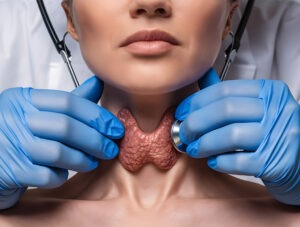
Diagnosis & Advanced Facilities at Apex Hospitals
Accurate diagnosis is essential before thyroid surgery.
Clinical Evaluation
Specialists assess:
- Neck swelling
- Hormonal symptoms
- Swallowing difficulty
- Breathing issues
- Voice changes
- Family history
Thyroid Function Tests
Blood tests evaluate:
- T3
- T4
- TSH hormone levels
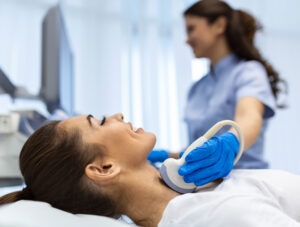
Thyroid Ultrasound
Ultrasound helps evaluate:
- Nodule size
- Thyroid enlargement
- Cyst formation
- Suspicious growth patterns
FNAC (Fine Needle Aspiration Cytology)
FNAC helps identify:
- Benign nodules
- Suspicious lesions
- Cancerous changes
CT Scan & Imaging
Imaging may be required for large or complicated thyroid conditions.
Pathology Evaluation
Post-surgical tissue examination confirms diagnosis and guides further treatment.
Advanced Thyroid Surgery Procedures
Apex Hospitals provides modern surgical treatment based on the severity and type of thyroid disease.
Minimally Invasive Thyroid Surgery : Advanced minimally invasive techniques help:
- Reduce pain
- Improve cosmetic results
- Minimize tissue trauma
- Support faster recovery
Precision Thyroidectomy : Specialized surgical approaches focus on:
- Nerve preservation
- Bleeding control
- Safe gland removal
- Protection of surrounding structures
Thyroid Cancer Surgery : Comprehensive cancer surgery may involve:
- Thyroid gland removal
- Lymph node evaluation
- Cancer staging support
- Postoperative oncology coordination
Postoperative Hormonal Management : Patients may require thyroid hormone replacement after surgery depending on the procedure performed.
Benefits of Early Thyroid Surgery
Early diagnosis and treatment provide several important benefits.
Benefits include:
- Prevention of airway compression
- Reduced cancer progression risk
- Better hormonal control
- Improved swallowing and breathing
- Better cosmetic appearance
- Reduced surgical complications
- Faster recovery
- Improved quality of life
Delaying surgery often increases complexity and risk.
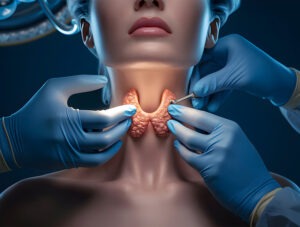
Recovery & Postoperative Care
Recovery depends on:
- Type of surgery
- Thyroid condition
- Overall health status
- Hormonal balance
- Presence of cancer or complications
Postoperative care may include:
- Pain management
- Wound care
- Calcium monitoring
- Hormone replacement therapy
- Voice monitoring
- Follow-up imaging and testing
Most patients recover safely with proper postoperative support and monitoring.
Long-Term Thyroid Health Management
Long-term thyroid care is important after surgery.
- Hormonal Monitoring : Regular thyroid function testing helps maintain hormonal balance.
- Medication Management : Some patients require lifelong thyroid hormone replacement.
- Cancer Surveillance : Thyroid cancer patients need routine follow-up and monitoring.
- Lifestyle & Nutritional Support : Healthy lifestyle habits support endocrine health and recovery.
- Regular Follow-Up : Ongoing medical supervision helps prevent recurrence and complications.
Thyroid Surgery & Cosmetic Outcomes
Neck appearance is a major concern for many patients undergoing thyroid surgery.
Apex Hospitals emphasizes:
- Precise incision placement
- Minimal scarring techniques
- Cosmetic closure methods
- Modern surgical approaches
The goal is safe surgery with the best possible cosmetic outcome whenever clinically feasible.
Advanced Thyroid Surgery Care You Can Trust in Rajahmundry
- Apex Hospitals continues to provide advanced thyroid surgery and endocrine care with a strong commitment to surgical precision, patient safety, hormonal stability, cancer management, and faster recovery.
- With experienced thyroid surgeons, advanced surgical technology, modern infrastructure, and patient-focused care, the hospital remains a trusted destination for thyroid surgery in Rajahmundry.
- Whether you require thyroid nodule evaluation, goiter surgery, thyroid cancer treatment, minimally invasive thyroidectomy, or long-term endocrine support, Apex Hospitals is committed to delivering comprehensive and compassionate surgical care tailored to every patient’s needs.
Frequently Asked Questions (FAQs)
1. What is thyroid surgery?
Thyroid surgery involves removal of part or all of the thyroid gland to treat thyroid disease or cancer.
2. Why is thyroid surgery performed?
Surgery may be necessary for thyroid nodules, goiter, thyroid cancer, hyperthyroidism, or large thyroid swelling causing symptoms.
3. Is thyroid surgery dangerous?
Modern thyroid surgery is generally safe when performed by experienced specialists using advanced surgical techniques.
4. What are the symptoms of thyroid disorders?
Symptoms may include neck swelling, weight changes, fatigue, palpitations, breathing difficulty, swallowing problems, and hormonal imbalance.
5. How is thyroid disease diagnosed?
Diagnosis may involve thyroid function tests, ultrasound, FNAC, CT scan, and clinical evaluation.
6. Will I need lifelong medication after thyroid surgery?
Some patients require lifelong thyroid hormone replacement, especially after total thyroidectomy.
7. Is thyroid surgery painful?
Modern surgical and anesthesia techniques significantly reduce pain and support faster recovery.
8. Can thyroid cancer be cured?
Many thyroid cancers are highly treatable when diagnosed early and managed appropriately.
9. How long does recovery take after thyroid surgery?
Recovery depends on the procedure and patient condition, but many patients recover within a few weeks.
10. Why should I choose Apex Hospitals for thyroid surgery?
Apex Hospitals offers experienced thyroid surgeons, advanced minimally invasive surgery, modern diagnostics, cancer evaluation, endocrine support, and comprehensive postoperative care under one roof.
Get in Touch
For any questions fill out our form

Make
Appointment
&
Take Care Of Your
Healthy Life