
DVT
Varicose Veins
Piles
Fissure
Fistula
Pilonidal sinus
Circumcision
Hernia
Hydrocele
Hysterectomy
Gynaecomastia
Lipoma
Sebaceous cyst
Diabetes
Diabetic foot
Gastric ulcer
Appendicitis
Thyroid surgery
Burns
Trauma & Accident care
Intestinal perforation
Intestinal obstruction
DVT
Gallstone
Metabolic and Bariatric
Best DVT Treatment Hospital in Rajahmundry
- Advanced diagnosis and treatment for Deep Vein Thrombosis (DVT) and vascular disorders
- Experienced vascular surgeons, interventional specialists, critical care experts, and thrombosis management teams
- 24/7 emergency care for blood clot emergencies and vascular complications
- Comprehensive treatment for deep vein thrombosis, pulmonary embolism, venous insufficiency, and circulation disorders
- Advanced Doppler ultrasound and vascular imaging facilities for accurate diagnosis
- State-of-the-art intensive care and emergency monitoring infrastructure
- Specialized minimally invasive vascular treatment and clot management procedures
- Personalized treatment plans focused on clot prevention, circulation improvement, and long-term vascular health
- Modern anticoagulation management and thrombosis monitoring programs
- Compassionate, patient-focused, and affordable vascular care services
- Integrated vascular surgery, critical care, radiology, physiotherapy, and rehabilitation support under one roof
- Continuous follow-up care and long-term clot prevention programs
Apex Hospitals is one of the trusted healthcare destinations for advanced DVT treatment and vascular care services in Rajahmundry. The hospital provides comprehensive diagnosis, emergency stabilization, blood clot management, minimally invasive vascular treatment, anticoagulation therapy, critical care support, and long-term circulation management with a strong focus on early diagnosis, complication prevention, patient safety, and vascular recovery.
- Most people ignore DVT until it becomes life-threatening.
- That is the problem.
- Deep Vein Thrombosis is not “just leg pain” or “simple swelling.”
DVT occurs when a blood clot forms inside deep veins, usually in the legs. The danger is not only the clot itself. The real risk begins when the clot:
- Enlarges
- Blocks circulation
- Damages veins
- Breaks loose and travels to the lungs
When a clot reaches the lungs, it causes a pulmonary embolism (PE), which can become fatal within minutes.
Many patients dismiss early symptoms as:
- Muscle strain
- Fatigue
- Varicose veins
- Leg cramps
- Normal swelling
That delay can be dangerous.
DVT is one of the major preventable causes of sudden medical emergencies, especially after:
- Surgery
- Long travel
- Bed rest
- Trauma
- Pregnancy
- Cancer treatment
At Apex Hospitals, patients receive evidence-based vascular care supported by experienced vascular surgeons, interventional radiologists, emergency physicians, intensivists, radiologists, physiotherapists, and thrombosis management specialists. The hospital focuses on early diagnosis, clot stabilization, emergency intervention, circulation restoration, complication prevention, and long-term vascular health.
The DVT treatment program at Apex Hospitals covers:
- Deep Vein Thrombosis
- Pulmonary embolism
- Venous thrombosis
- Blood clot disorders
- Venous insufficiency
- Post-thrombotic syndrome
- Recurrent DVT
- Leg swelling disorders
- Clot-related vascular emergencies
- High-risk thrombosis conditions
- Post-surgical DVT prevention
- Chronic venous disease
As one of the advanced vascular and thrombosis care centers in Rajahmundry, Apex Hospitals combines modern medical expertise with patient-centered care to provide complete DVT management under one roof. The hospital emphasizes rapid diagnosis, vascular imaging, anticoagulation therapy, minimally invasive interventions, ICU support, rehabilitation, and long-term clot prevention.
The vascular specialists at Apex Hospitals work closely with emergency physicians, radiologists, critical care teams, surgeons, physiotherapists, rehabilitation experts, and thrombosis care specialists to ensure coordinated and comprehensive treatment for every patient. Whether patients require emergency clot management, anticoagulation therapy, thrombolysis procedures, vascular intervention, ICU monitoring, or long-term preventive care, Apex Hospitals delivers comprehensive vascular treatment with clinical precision and compassionate support.
Why Choose Apex Hospitals for DVT Treatment
At Apex Hospitals, DVT treatment focuses on rapid diagnosis, clot prevention, circulation restoration, complication control, emergency stabilization, and long-term vascular recovery. The hospital combines experienced specialists, advanced vascular technology, and multidisciplinary support to ensure effective treatment outcomes.
Experienced Vascular Specialists
The hospital is supported by highly experienced:
- Vascular surgeons
- Interventional specialists
- Critical care experts
- Radiologists
- Thrombosis management professionals
24/7 Emergency Clot Management
Emergency vascular care is available round the clock for:
- Sudden leg swelling
- Pulmonary embolism
- Circulatory emergencies
- Severe DVT complications
- Blood clot emergencies
Advanced Vascular Imaging
Modern diagnostic systems support:
- Doppler ultrasound
- CT angiography
- Venous imaging
- Blood clot assessment
- Circulation evaluation
Comprehensive DVT Care
Apex Hospitals provides complete diagnosis and treatment for:
- Acute DVT
- Chronic venous disease
- Blood clot disorders
- Pulmonary embolism
- Venous circulation problems
- Post-thrombotic complications
Personalized Treatment Plans
Every patient receives individualized care based on:
- Clot location
- Clot severity
- Risk of embolism
- Age and health condition
- Surgical history
- Lifestyle factors
- Coexisting medical conditions
Advanced Minimally Invasive Treatment
Whenever clinically appropriate, minimally invasive vascular procedures help:
- Restore circulation
- Reduce clot burden
- Lower complication risk
- Improve recovery outcomes
Affordable & Accessible Vascular Care
Apex Hospitals believes advanced vascular treatment should remain affordable and accessible without compromising patient safety or treatment quality.
Our Expert Vascular Care Team
The DVT treatment department at Apex Hospitals is supported by experienced vascular surgeons, interventional radiologists, emergency physicians, intensivists, nurses, physiotherapists, rehabilitation professionals, and thrombosis specialists dedicated to delivering advanced vascular care.
The team focuses on:
- Rapid diagnosis
- Emergency stabilization
- Clot prevention
- Circulation restoration
- ICU monitoring
- Long-term vascular health
- Rehabilitation support
- Recurrence prevention
Through coordinated multidisciplinary care, patients receive complete DVT management under one roof.

Understanding Deep Vein Thrombosis (DVT)
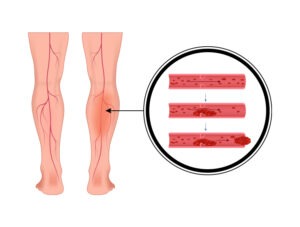
Deep Vein Thrombosis occurs when a blood clot forms inside a deep vein, most commonly in the legs.
The clot partially or completely blocks blood flow through the vein.
The condition usually affects:
- Calf veins
- Thigh veins
- Pelvic veins
DVT becomes dangerous when the clot breaks loose and travels through the bloodstream to the lungs.
This condition is called pulmonary embolism.
DVT should never be ignored because the complications can become life-threatening.
How Blood Clots Form in DVT
Blood clots develop when:
- Blood flow slows down
- Vein walls become damaged
- Blood becomes abnormally thick or prone to clotting
This is commonly seen during:
- Prolonged bed rest
- Long travel
- Post-surgery recovery
- Severe illness
- Pregnancy
- Cancer treatment
Common Causes of DVT
Several medical and lifestyle factors increase DVT risk.
Prolonged Immobility : Long periods of inactivity reduce blood circulation.
Common situations include:
- Long-distance travel
- Bed rest
- ICU admission
- Paralysis
Surgery : Major surgeries significantly increase clot formation risk.
Trauma & Injuries : Fractures and severe injuries damage blood vessels.
Pregnancy : Hormonal and circulation changes increase clotting risk.
Cancer : Certain cancers and chemotherapy treatments increase thrombosis risk.
Obesity : Excess weight affects circulation and vein pressure.
Smoking : Smoking damages blood vessels and increases clot formation.
Genetic Clotting Disorders : Inherited blood disorders may increase clotting tendency.
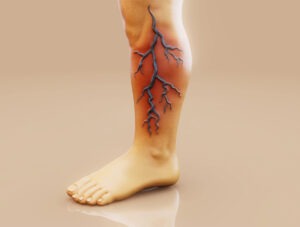
Symptoms of DVT
Symptoms vary depending on clot location and severity.
Common symptoms include:
- Leg swelling
- Calf pain
- Tenderness
- Warm skin
- Redness or discoloration
- Heaviness in the leg
- Tightness or cramping sensation
- Enlarged surface veins
Some patients may have minimal symptoms initially.
That is why DVT is often missed until complications develop.
Symptoms of Pulmonary Embolism (PE)
Pulmonary embolism occurs when a clot travels to the lungs.
This is a medical emergency.
Symptoms may include:
- Sudden shortness of breath
- Chest pain
- Rapid heartbeat
- Coughing blood
- Dizziness
- Fainting
- Severe breathing difficulty
Immediate emergency treatment is critical.
Warning Signs Requiring Immediate Medical Attention
Seek urgent medical care if there is:
- Sudden leg swelling
- Severe calf pain
- Breathing difficulty
- Chest pain
- Sudden weakness
- Fainting
- Rapid heartbeat
- Unexplained shortness of breath
Ignoring these symptoms can become fatal.
Complications of Untreated DVT
Delayed treatment significantly increases serious complications.
Pulmonary Embolism : A clot travels to the lungs and blocks blood flow.
Post-Thrombotic Syndrome : Long-term vein damage causes:
- Chronic swelling
- Pain
- Skin changes
- Ulcers
Chronic Venous Insufficiency : Damaged veins affect long-term circulation.
Recurrent DVT : Future clot formation risk increases significantly.
Venous Ulcers : Poor circulation may lead to non-healing wounds.
Death : Severe pulmonary embolism can become fatal.
Diseases & Conditions Treated
The vascular care department at Apex Hospitals treats a wide range of venous and clot-related conditions.
Deep Vein Thrombosis (DVT) : Advanced diagnosis and blood clot management.
Pulmonary Embolism (PE) : Emergency treatment for lung blood clots.
Chronic Venous Insufficiency : Management of poor venous circulation and vein damage.
Recurrent Blood Clots : Long-term thrombosis prevention and monitoring.
Post-Thrombotic Syndrome : Treatment for chronic DVT-related vein complications.
High-Risk Clotting Disorders : Comprehensive evaluation and preventive vascular care.
Diagnosis & Advanced Facilities at Apex Hospitals
Early diagnosis is critical in DVT management.
Clinical Evaluation
Specialists assess:
- Leg swelling
- Pain severity
- Skin changes
- Circulation status
- Clot risk factors
- Breathing symptoms
Doppler Ultrasound
This is one of the most important tests for DVT diagnosis.
It helps evaluate:
- Blood flow
- Vein blockage
- Clot location
- Circulation abnormalities
CT Angiography
Advanced imaging may be used for:
- Pulmonary embolism detection
- Vascular mapping
- Clot assessment
Blood Tests
Laboratory investigations help assess:
- Clotting tendency
- D-dimer levels
- Organ function
- Treatment monitoring
Continuous Monitoring Systems
High-risk patients may require ICU observation and circulatory monitoring.

Advanced DVT Treatment Options
Apex Hospitals provides modern vascular treatment based on clot severity and patient condition.
Anticoagulation Therapy
Blood-thinning medications help:
- Prevent clot growth
- Reduce embolism risk
- Improve circulation
Proper monitoring is essential during treatment.
Thrombolysis (Clot Dissolving Treatment)
In selected severe cases, medications may be used to dissolve blood clots rapidly.
Catheter-Based Minimally Invasive Procedures
Advanced vascular interventions help:
- Remove clots
- Restore circulation
- Reduce vein damage
- Improve recovery outcomes
Inferior Vena Cava (IVC) Filter Placement
In high-risk patients, special filters may be placed to prevent clots from reaching the lungs.
Compression Therapy
Compression stockings help:
- Improve circulation
- Reduce swelling
- Prevent long-term vein complications
ICU & Emergency Care for Severe DVT
Severe DVT or pulmonary embolism may require:
- ICU monitoring
- Oxygen support
- Ventilator support
- Emergency intervention
- Continuous circulatory monitoring
Rapid stabilization improves survival outcomes.
DVT After Surgery
Postoperative patients are at increased clot risk due to:
- Reduced movement
- Blood vessel injury
- Inflammation
- Long bed rest
Preventive care may include:
- Early mobilization
- Compression devices
- Blood thinners
- Hydration support
Preventive strategies are critical after major surgery.
DVT During Pregnancy
Pregnancy increases blood clot risk due to hormonal and circulation changes.
Risk remains elevated:
- During pregnancy
- After delivery
- After cesarean section
Early diagnosis and specialist care are essential to protect both mother and baby.
Lifestyle & Long-Term DVT Prevention
Preventing future clots is a major part of treatment.
Regular Movement : Avoid prolonged sitting and inactivity.
Weight Management : Healthy body weight improves circulation.
Smoking Cessation : Smoking damages veins and circulation.
Hydration : Proper hydration supports healthy blood flow.
Exercise & Physical Activity : Regular movement reduces clot risk.
Medication Compliance : Blood-thinning medication must be taken exactly as prescribed.
Recovery After DVT Treatment
Recovery depends on:
- Clot severity
- Treatment timing
- Pulmonary involvement
- Vein damage
- Overall health condition
Post-treatment care may include:
- Medication monitoring
- Compression therapy
- Follow-up imaging
- Lifestyle modification
- Rehabilitation support
Long-term monitoring is essential to prevent recurrence.
Benefits of Early DVT Treatment
Early diagnosis and intervention significantly improve outcomes.
Benefits include:
- Reduced clot growth
- Lower pulmonary embolism risk
- Better circulation
- Reduced vein damage
- Faster recovery
- Lower recurrence risk
- Reduced ICU complications
- Better long-term vascular health
Waiting increases risk.
DVT Prevention for High-Risk Individuals
People at high risk should take preventive measures.
High-risk groups include:
- Elderly individuals
- Surgical patients
- Cancer patients
- Pregnant women
- Frequent travelers
- Obese individuals
- Patients with previous DVT history
Preventive medical evaluation is important for these groups.
Advanced DVT Care You Can Trust in Rajahmundry
- Apex Hospitals continues to provide advanced DVT treatment and vascular emergency care with a strong commitment to early diagnosis, rapid intervention, clot prevention, circulation restoration, critical care support, and long-term patient recovery.
- With experienced vascular specialists, advanced imaging technology, modern ICU infrastructure, emergency readiness, and patient-focused care, the hospital remains a trusted destination for DVT treatment in Rajahmundry.
- Whether you require emergency clot management, pulmonary embolism treatment, minimally invasive vascular intervention, anticoagulation therapy, ICU care, or long-term clot prevention support, Apex Hospitals is committed to delivering comprehensive and compassionate vascular treatment tailored to every patient’s needs.
FAQs around DVT
1. What is DVT?
DVT (Deep Vein Thrombosis) is a condition where a blood clot forms inside a deep vein, usually in the legs.
2. Why is DVT dangerous?
A clot can travel to the lungs and cause pulmonary embolism, which may become life-threatening.
3. What are the symptoms of DVT?
Symptoms may include leg swelling, calf pain, redness, warmth, heaviness, and tenderness.
4. What causes DVT?
Common causes include prolonged inactivity, surgery, trauma, pregnancy, cancer, obesity, and smoking.
5. How is DVT diagnosed?
Diagnosis may involve Doppler ultrasound, CT angiography, blood tests, and clinical evaluation.
6. Can DVT be treated without surgery?
Yes. Many cases are treated with anticoagulant medications and circulation management.
7. What is pulmonary embolism?
Pulmonary embolism occurs when a blood clot travels to the lungs and blocks blood flow.
8. Can DVT come back after treatment?
Yes. Recurrence risk exists, especially without proper preventive care and follow-up.
9. How can DVT be prevented?
Regular movement, hydration, weight control, smoking cessation, and medical prevention strategies help reduce risk.
10. Why should I choose Apex Hospitals for DVT treatment?
Apex Hospitals offers experienced vascular specialists, advanced Doppler imaging, emergency clot management, minimally invasive vascular treatment, ICU support, and comprehensive long-term thrombosis care under one roof.
Get in Touch
For any questions fill out our form

Make
Appointment
&
Take Care Of Your
Healthy Life