
Sebaceous cyst
Varicose Veins
Piles
Fissure
Fistula
Pilonidal sinus
Circumcision
Hernia
Hydrocele
Hysterectomy
Gynaecomastia
Lipoma
Sebaceous cyst
Diabetes
Diabetic foot
Gastric ulcer
Appendicitis
Thyroid surgery
Burns
Trauma & Accident care
Intestinal perforation
Intestinal obstruction
DVT
Gallstone
Metabolic and Bariatric
Best Sebaceous Cyst Treatment Hospital in Rajahmundry
- Advanced diagnosis and treatment for sebaceous cysts and skin swellings
- Experienced general surgeons and minimally invasive surgical specialists
- Comprehensive care for infected, painful, and recurrent cyst conditions
- Advanced minimally invasive and cosmetic cyst removal procedures
- State-of-the-art surgical and diagnostic facilities
- Personalized treatment plans focused on faster recovery and minimal scarring
- 24/7 surgical support for infected and emergency skin swelling conditions
- Modern operation theatres with advanced surgical technology
- Compassionate, confidential, and patient-focused surgical care
- Specialized evaluation for skin lumps, cysts, and soft tissue swellings
- Affordable surgical treatment with postoperative follow-up support
- Integrated surgery, diagnostics, and pathology services under one roof
Apex Hospitals is one of the trusted healthcare destinations for advanced sebaceous cyst treatment and minimally invasive surgical care in Rajahmundry. The hospital provides comprehensive diagnosis, medical evaluation, minimally invasive procedures, and surgical treatment for sebaceous cysts and related skin swellings with a strong focus on patient safety, cosmetic outcomes, faster recovery, and long-term relief.
A sebaceous cyst is a slow-growing lump beneath the skin that develops due to blockage of sebaceous glands or hair follicles. These cysts commonly contain oily or cheese-like material and can occur anywhere on the body, especially on the scalp, face, neck, back, chest, shoulders, and genital region.
Many people ignore sebaceous cysts because they initially appear small and painless. That approach becomes a problem when the cyst enlarges, becomes infected, develops foul-smelling discharge, causes pain, or repeatedly recurs. Delaying treatment also increases the chances of inflammation, skin damage, scarring, and abscess formation.
Not every skin lump is harmless. Self-diagnosis is unreliable and risky. Proper medical evaluation is necessary to confirm whether the swelling is a sebaceous cyst or another condition requiring different treatment.
At Apex Hospitals, patients receive evidence-based sebaceous cyst treatment supported by experienced surgeons, advanced minimally invasive surgical technology, modern diagnostic facilities, and personalized care plans. The hospital focuses on safe and effective procedures that reduce pain, minimize scarring, lower recurrence risk, and help patients recover quickly.
The sebaceous cyst treatment program at Apex Hospitals covers:
- Sebaceous cyst
- Epidermoid cyst
- Infected cyst
- Recurrent cyst
- Scalp cyst
- Facial cyst
- Neck cyst
- Back cyst
- Painful skin cyst
- Inflamed cyst
- Multiple skin cysts
- Cosmetic cyst removal
As one of the advanced surgical and minimally invasive treatment centers in Rajahmundry, Apex Hospitals combines modern surgical expertise with patient-centered care to provide complete sebaceous cyst management under one roof. The hospital emphasizes accurate diagnosis, minimally invasive procedures, cosmetic precision, infection control, postoperative care, and long-term patient comfort.
The surgical specialists at Apex Hospitals work closely with dermatologists, radiologists, anesthesiologists, pathologists, nurses, and rehabilitation teams to ensure safe surgery and smooth recovery for every patient. Whether patients require minimally invasive cyst removal, drainage of infected cysts, cosmetic skin surgery, or evaluation for suspicious skin swellings, Apex Hospitals delivers comprehensive care with clinical precision and compassionate support.
Why Choose Apex Hospitals for Sebaceous Cyst Treatment
At Apex Hospitals, sebaceous cyst treatment is focused on accurate diagnosis, safe surgery, cosmetic outcomes, infection prevention, faster healing, and long-term recovery. The hospital combines experienced specialists, modern technology, and patient-focused care to ensure effective treatment results.
Experienced Surgical Specialists
The hospital is supported by highly experienced surgeons trained in advanced minimally invasive and cosmetic skin surgery procedures.
Advanced Minimally Invasive Procedures
Modern cyst surgery offers several advantages:
- Minimal pain
- Smaller incisions
- Reduced bleeding
- Minimal scarring
- Faster recovery
- Lower infection risk
- Better cosmetic outcomes
- Early return to normal activities
Comprehensive Skin & Soft Tissue Care
Apex Hospitals provides complete diagnosis and treatment for:
- Sebaceous cysts
- Epidermoid cysts
- Infected skin swellings
- Recurrent cysts
- Benign soft tissue lumps
- Cosmetic skin conditions
Personalized Treatment Plans
Every patient receives individualized care based on:
- Size and location of the cyst
- Infection severity
- Pain and inflammation
- Cosmetic concerns
- Number of cysts
- Skin involvement
- Underlying health conditions
Confidential & Compassionate Care
Many patients delay treatment because of fear of surgery or cosmetic concerns. Apex Hospitals ensures respectful consultations and patient-focused support throughout the treatment process.
Modern Surgical Infrastructure
The hospital is equipped with advanced operation theatres, minimally invasive surgical systems, recovery units, and modern diagnostic facilities for safe procedures.
Affordable & Accessible Treatment
Apex Hospitals believes advanced surgical care should remain affordable and accessible without compromising patient safety or treatment quality.
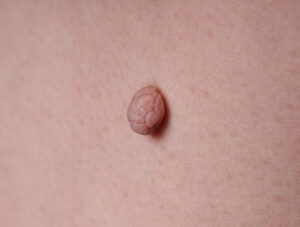
Our Expert Surgical Team
The sebaceous cyst treatment department at Apex Hospitals is supported by experienced surgeons, dermatologists, anesthesiologists, radiologists, pathologists, nurses, and rehabilitation professionals dedicated to delivering advanced skin and surgical care.
The team focuses on:
- Accurate diagnosis
- Safe surgery
- Minimally invasive procedures
- Cosmetic precision
- Faster recovery
- Reduced recurrence risk
- Patient comfort and safety
Through coordinated multidisciplinary care, patients receive complete treatment support under one roof.
Understanding Sebaceous Cyst
A sebaceous cyst is a closed sac beneath the skin filled with oily or keratin-like material. These cysts usually develop due to:
- Blocked sebaceous glands
- Damaged hair follicles
- Skin trauma
- Trapped skin cells
Sebaceous cysts are generally non-cancerous and slow-growing, but they can become painful and infected if left untreated.
Common areas affected include:
- Scalp
- Face
- Neck
- Back
- Chest
- Shoulder
- Groin region
The cyst may appear as a round swelling beneath the skin with a small opening or punctum in the center.
Although many cysts remain painless initially, persistent or enlarging swellings should always be medically evaluated to avoid complications.
Common Causes of Sebaceous Cyst
Several factors contribute to sebaceous cyst formation.
- Blocked Sebaceous Glands : Oil-producing glands may become blocked leading to cyst development.
- Damaged Hair Follicles : Skin injury or follicle damage can trap keratin and debris beneath the skin.
- Skin Trauma : Cuts, surgery, acne, or repeated friction may contribute to cyst formation.
- Hormonal Factors : Increased oil production may increase the risk of cyst development.
- Acne-Prone Skin : Individuals with oily or acne-prone skin are more susceptible.
- Genetic Conditions : Certain hereditary disorders may increase the risk of multiple cysts.
Symptoms of Sebaceous Cyst
Symptoms depend on the size, location, and presence of infection.
Common symptoms include:
- Round skin swelling
- Soft or firm lump beneath the skin
- Slow-growing cyst
- Painful swelling when infected
- Redness and inflammation
- Foul-smelling discharge
- Pus drainage
- Skin tenderness
- Cosmetic concerns
Some cysts may rupture or become severely inflamed causing significant discomfort.
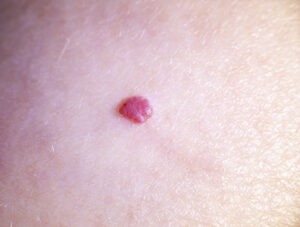
Types of Sebaceous Cyst
- Epidermoid Cyst : A common cyst formed by trapped skin cells beneath the skin.
- Pilar Cyst : Usually develops on the scalp and arises from hair follicles.
- Infected Sebaceous Cyst : A cyst complicated by bacterial infection and inflammation.
- Recurrent Cyst : Cyst that returns after incomplete removal or drainage.
- Multiple Skin Cysts : Several cysts occurring in different body areas.
Risk Factors for Sebaceous Cyst
Certain individuals are more likely to develop sebaceous cysts.
High-risk groups include:
- Adults with oily skin
- Individuals with acne
- Patients with skin injury
- People with family history of cysts
- Individuals with hormonal imbalance
- Patients with repeated skin irritation
Early treatment significantly reduces infection and recurrence risks.
Complications of Untreated Sebaceous Cyst
Ignoring sebaceous cysts may lead to several complications.
- Infection : Cysts may become infected causing severe pain and swelling.
- Abscess Formation : Untreated infected cysts can form pus-filled abscesses.
- Skin Damage : Large cysts may stretch or damage surrounding skin.
- Recurring Inflammation : Repeated infection episodes increase discomfort and scarring.
- Rupture : Cysts may rupture causing foul-smelling discharge and irritation.
- Cosmetic Concerns : Visible swelling affects appearance and confidence.
- Scarring : Delayed treatment often leads to larger scars and skin damage.
Diseases & Conditions Treated
The surgical department at Apex Hospitals treats a wide range of skin and soft tissue conditions.
- Sebaceous Cyst : Advanced diagnosis and minimally invasive surgical removal of sebaceous cysts.
- Epidermoid Cyst : Comprehensive treatment for keratin-filled skin cysts.
- Infected Skin Swelling : Emergency management for painful infected cysts and abscesses.
- Benign Skin Tumors : Specialized surgical care for non-cancerous skin growths.
- Recurrent Skin Cysts : Management of repeatedly recurring cyst conditions.
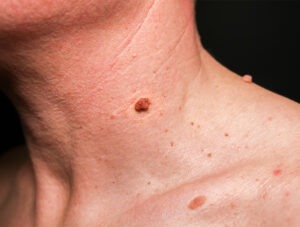
Diagnosis & Advanced Facilities at Apex Hospitals
Accurate diagnosis is essential before sebaceous cyst treatment. Apex Hospitals provides comprehensive evaluation using advanced diagnostic facilities.
Clinical Examination
Specialists assess:
- Size and location of the cyst
- Skin involvement
- Presence of infection
- Tenderness and pain
- Discharge or rupture
- Growth pattern
Ultrasound Imaging
Ultrasound helps evaluate:
- Cyst depth
- Fluid collection
- Soft tissue involvement
- Infection spread
Laboratory Investigations
Blood tests may be recommended when severe infection or inflammation is present.
FNAC & Biopsy
FNAC or biopsy may be performed to confirm diagnosis and rule out other skin conditions.
Pathology Evaluation
Removed tissue may be examined for accurate diagnosis confirmation.
Advanced Sebaceous Cyst Treatment Options
Apex Hospitals provides modern medical and surgical treatment based on the severity and condition of the cyst.
Minimally Invasive Cyst Removal
Modern surgical techniques help reduce:
- Pain
- Bleeding
- Scarring
- Tissue damage
- Recovery time
Complete Surgical Excision
Complete removal of the cyst wall is the most effective treatment to reduce recurrence risk.
Benefits include:
- Permanent cyst removal
- Reduced recurrence
- Relief from pain and swelling
- Better cosmetic appearance
- Prevention of future infection
Drainage of Infected Cyst
Painful infected cysts may require drainage and infection management before complete removal.
Cosmetic Skin Surgery
Special attention is provided for:
- Facial cysts
- Scalp cysts
- Neck swellings
- Visible body areas
- Scar minimization
Benefits of Early Sebaceous Cyst Treatment
Early treatment provides several important advantages.
Benefits include:
- Prevention of infection
- Reduced pain and inflammation
- Better cosmetic outcomes
- Smaller scars
- Faster recovery
- Reduced recurrence risk
- Prevention of abscess formation
- Improved comfort and confidence
Delaying treatment often results in larger cysts and more complicated surgery.
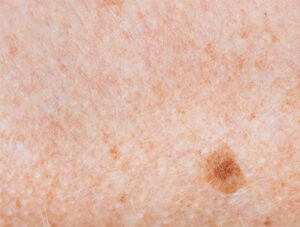
Preventive Care & Long-Term Skin Health
While sebaceous cysts cannot always be prevented, proper skin care and medical attention improve long-term outcomes.
- Maintain Good Skin Hygiene : Proper hygiene reduces bacterial buildup and skin irritation.
- Avoid Picking or Squeezing Cysts : Self-treatment increases infection risk and skin damage.
- Seek Early Medical Evaluation : Persistent skin swelling should never be ignored.
- Manage Acne & Oily Skin : Proper dermatological care helps reduce skin complications.
- Attend Routine Follow-Up : Regular follow-up helps monitor recurrence and healing.
Recovery & Postoperative Care
Recovery depends on the size and severity of the cyst and the procedure performed.
Post-treatment care may include:
- Pain management
- Wound care support
- Dressing changes
- Antibiotic support
- Scar management
- Follow-up consultations
Most minimally invasive procedures allow quicker recovery and early return to daily activities.
Advanced Sebaceous Cyst Care You Can Trust in Rajahmundry
- Apex Hospitals continues to provide advanced sebaceous cyst treatment and minimally invasive surgical care with a strong commitment to patient safety, cosmetic outcomes, infection control, faster recovery, and long-term comfort.
- With experienced surgeons, advanced surgical technology, modern infrastructure, and patient-focused care, the hospital remains a trusted destination for sebaceous cyst treatment in Rajahmundry.
- Whether you require minimally invasive cyst removal, treatment for infected skin swelling, cosmetic skin surgery, or advanced care for recurrent cysts, Apex Hospitals is committed to delivering comprehensive and compassionate surgical care tailored to every patient’s needs.
Frequently Asked Questions (FAQs)
1. What is a sebaceous cyst?
No, sebaceous cysts are not contagious. They are a result of a blockage or damage to the sebaceous glands in the skin and cannot be spread from person to person. .
2. What causes sebaceous cysts?
Sebaceous cysts may develop due to blocked oil glands, damaged hair follicles, skin injury, acne, or trapped skin cells.
3. Are sebaceous cysts dangerous?
Most cysts are harmless, but infected or rapidly growing cysts require medical evaluation and treatment.
4. What are the symptoms of sebaceous cysts?
Symptoms include skin swelling, pain, redness, foul-smelling discharge, inflammation, and cosmetic concerns.
5. Can sebaceous cysts go away on their own?
Some small cysts remain stable, but many enlarge or become infected over time and require treatment.
6. Is sebaceous cyst surgery painful?
Modern minimally invasive procedures involve less pain, smaller incisions, and faster recovery.
7. Can sebaceous cysts return after surgery?
Recurrence is less likely after complete removal of the cyst wall, but incomplete treatment may cause recurrence.
8. Should I squeeze or burst a sebaceous cyst at home?
No. Self-treatment increases infection risk, inflammation, scarring, and recurrence.
9. How long does recovery take after cyst removal?
Recovery depends on the size and severity of the cyst, but most patients recover quickly after minimally invasive treatment.
10. Why should I choose Apex Hospitals for sebaceous cyst treatment?
Apex Hospitals offers experienced surgeons, advanced minimally invasive surgery, personalized care, modern infrastructure, and comprehensive treatment for sebaceous cysts and skin swellings under one roof.
Get in Touch
For any questions fill out our form

Make
Appointment
&
Take Care Of Your
Healthy Life