
Hernia
Varicose Veins
Piles
Fissure
Fistula
Pilonidal sinus
Circumcision
Hernia
Hydrocele
Hysterectomy
Gynaecomastia
Lipoma
Sebaceous cyst
Diabetes
Diabetic foot
Gastric ulcer
Appendicitis
Thyroid surgery
Burns
Trauma & Accident care
Intestinal perforation
Intestinal obstruction
DVT
Gallstone
Metabolic and Bariatric
Best Hernia Treatment Hospital in Rajahmundry
- Advanced diagnosis and treatment for all types of hernia conditions
- Experienced general surgeons and minimally invasive laparoscopic specialists
- Comprehensive care for inguinal, umbilical, incisional, and abdominal hernias
- Advanced laparoscopic and laser-assisted hernia repair procedures
- State-of-the-art diagnostic and surgical facilities
- Personalized treatment plans focused on faster recovery and long-term healing
- 24/7 emergency support for complicated and strangulated hernia conditions
- Modern operation theatres with advanced minimally invasive surgical technology
- Compassionate, patient-focused, and affordable surgical care
- Specialized postoperative rehabilitation and recovery support
- Reduced pain, smaller incisions, and faster return to normal activities
- Integrated surgical and critical care services under one roof
Apex Hospitals is one of the trusted healthcare destinations for advanced hernia treatment and minimally invasive surgical care in Rajahmundry. The hospital provides comprehensive diagnosis, medical management, laparoscopic procedures, and surgical treatment for various types of hernias with a strong focus on patient safety, faster recovery, reduced pain, and long-term surgical success.
A hernia develops when an internal organ or tissue pushes through a weak area in the muscle or surrounding tissue wall. Hernias commonly occur in the abdomen or groin region and may gradually increase in size over time. While some hernias initially appear painless, they should never be ignored. A hernia does not heal naturally and often worsens if left untreated.
Many patients delay treatment because the swelling disappears while lying down or causes only mild discomfort initially. That approach is risky. Untreated hernias may enlarge over time and lead to severe pain, bowel obstruction, infection, or life-threatening complications such as strangulation where blood supply to the trapped tissue gets cut off. Early diagnosis and timely surgical repair significantly improve outcomes and reduce complications.
At Apex Hospitals, patients receive evidence-based hernia treatment supported by experienced surgeons, advanced laparoscopic technology, modern diagnostic facilities, and personalized treatment plans. The hospital focuses on minimally invasive procedures that reduce postoperative pain, minimize scarring, shorten hospital stay, and help patients return to daily activities faster.
The hernia treatment program at Apex Hospitals covers:
- Inguinal hernia
- Umbilical hernia
- Incisional hernia
- Femoral hernia
- Hiatal hernia
- Epigastric hernia
- Ventral hernia
- Recurrent hernia
- Strangulated hernia
- Obstructed hernia
As one of the advanced surgical care centers in Rajahmundry, Apex Hospitals combines modern surgical expertise with patient-centered care to provide complete hernia management under one roof. The hospital emphasizes accurate diagnosis, minimally invasive laparoscopic procedures, emergency surgical support, postoperative rehabilitation, and long-term prevention of recurrence.
The surgical specialists at Apex Hospitals work closely with anesthesiologists, radiologists, critical care teams, physiotherapists, and rehabilitation professionals to ensure safe surgery and smooth recovery for every patient. Whether patients require laparoscopic hernia repair, emergency surgery, recurrent hernia treatment, or advanced abdominal wall reconstruction, Apex Hospitals delivers comprehensive care with clinical precision and compassionate support.
Why Choose Apex Hospitals for Hernia Treatment
At Apex Hospitals, hernia treatment is focused on accurate diagnosis, advanced minimally invasive surgery, faster healing, reduced pain, and long-term prevention of recurrence. The hospital combines experienced specialists, modern technology, and patient-focused care to ensure safe and effective treatment outcomes.
Experienced General & Laparoscopic Surgeons
The surgical team includes highly experienced surgeons trained in managing simple and complex hernias using advanced laparoscopic and minimally invasive techniques.
Advanced Laparoscopic Hernia Repair
Laparoscopic hernia surgery offers several advantages:
- Smaller incisions
- Reduced pain
- Minimal bleeding
- Faster recovery
- Reduced hospital stay
- Lower infection risk
- Better cosmetic results
- Faster return to work and normal activities
This minimally invasive approach significantly improves postoperative comfort and recovery.
Comprehensive Hernia Care
Apex Hospitals provides complete diagnosis and treatment for:
- Groin hernias
- Abdominal wall hernias
- Recurrent hernias
- Hiatal hernias
- Emergency strangulated hernias
- Hernia-related bowel complications
Personalized Treatment Plans
Every patient receives individualized care based on:
- Type and size of hernia
- Severity of symptoms
- Age and overall health
- Previous surgeries
- Risk factors and occupation
- Emergency complications if present
24/7 Emergency Surgical Support
Emergency surgical teams are available round the clock for:
- Strangulated hernia
- Obstructed hernia
- Severe abdominal pain
- Bowel obstruction
- Emergency complications requiring urgent surgery
Modern Surgical Infrastructure
The hospital is equipped with advanced operation theatres, laparoscopic systems, recovery units, intensive care support, and modern surgical monitoring facilities.
Affordable & Accessible Surgical Care
Apex Hospitals believes advanced hernia treatment should remain affordable and accessible without compromising clinical excellence or patient safety.
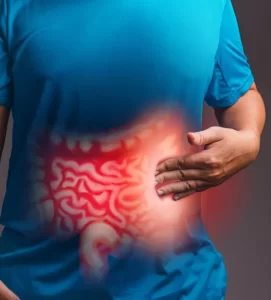
Our Expert Surgical Team
The hernia treatment department at Apex Hospitals is supported by experienced general surgeons, laparoscopic specialists, anesthesiologists, nurses, physiotherapists, and rehabilitation professionals committed to delivering advanced surgical care.
The team focuses on:
- Accurate diagnosis
- Safe surgery
- Minimally invasive treatment
- Faster recovery
- Reduced recurrence risk
- Emergency complication management
- Long-term patient support
- Patient comfort and safety
Through coordinated multidisciplinary care, patients receive complete surgical treatment under one roof.
Understanding Hernia
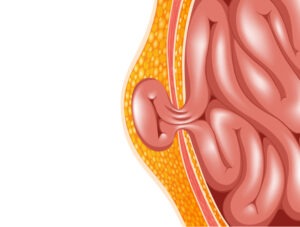
A hernia occurs when tissue or an organ pushes through a weak area in the surrounding muscle or connective tissue wall. The condition commonly affects the abdominal region and groin.
Hernias usually develop gradually due to weakness in the abdominal wall combined with pressure inside the abdomen. Over time, the weakened area enlarges and allows tissue to protrude outward.
A hernia may initially appear as:
- A small bulge or swelling
- Mild discomfort
- Pressure sensation
- Pain during lifting or coughing
As the hernia enlarges, symptoms often worsen and complications may develop.
Unlike muscle strain or temporary swelling, a hernia does not heal with medicines alone. Surgical repair is generally the definitive treatment.
Common Causes of Hernia
Several factors increase pressure inside the abdomen or weaken muscle walls, contributing to hernia formation.
Heavy Lifting : Frequent heavy lifting increases abdominal pressure and weakens muscles.
Chronic Cough : Persistent coughing places repeated stress on abdominal tissues.
Constipation : Straining during bowel movements increases abdominal pressure.
Obesity : Excess body weight weakens abdominal muscles and connective tissue.
Previous Surgery : Surgical incisions may weaken abdominal walls and lead to incisional hernias.
Pregnancy : Pregnancy stretches abdominal muscles and increases intra-abdominal pressure.
Aging : Muscle strength naturally decreases with age.
Congenital Weakness : Some individuals are born with weak areas in the abdominal wall.

Symptoms of Hernia
Symptoms vary depending on the type and severity of the hernia.
Common symptoms include:
- Visible swelling or bulge
- Groin pain or discomfort
- Abdominal heaviness
- Pain while lifting or coughing
- Burning sensation near swelling
- Pressure or dragging sensation
- Swelling that increases on standing
- Difficulty performing physical activities
- Nausea or vomiting in complicated cases
- Severe pain during strangulation
Some hernias become more noticeable during coughing, bending, or physical exertion.
Types of Hernia
Inguinal Hernia : The most common type of hernia occurring in the groin region when tissue protrudes through weak abdominal muscles.
Umbilical Hernia : Occurs near the belly button due to weakness in abdominal tissues around the umbilicus.
Incisional Hernia : Develops at the site of previous abdominal surgery due to weakened surgical scars.
Femoral Hernia : Occurs near the upper thigh and is more common in women.
Hiatal Hernia : Occurs when part of the stomach moves upward through the diaphragm into the chest cavity.
Ventral Hernia : A hernia occurring in the abdominal wall outside the groin region.
Epigastric Hernia : Occurs between the chest and belly button through weakness in upper abdominal muscles.
Risk Factors for Hernia
Certain individuals are more likely to develop hernias.
High-risk groups include:
- Obese individuals
- Smokers
- Chronic cough patients
- Individuals lifting heavy weights
- Pregnant women
- Elderly individuals
- Patients with constipation
- People with previous abdominal surgeries
- Athletes involved in heavy strain activities
Early treatment significantly reduces complications and recurrence risk.

Complications of Untreated Hernia
Ignoring a hernia is risky because complications can become serious and life-threatening.
Hernia Enlargement : Untreated hernias usually increase in size over time.
Obstruction : Part of the intestine may become trapped causing bowel obstruction.
Strangulation : Blood supply to trapped tissue may get cut off, leading to tissue death and emergency complications.
Severe Pain : Complicated hernias may cause sudden severe abdominal or groin pain.
Infection : Strangulated tissue increases infection risk.
Emergency Surgery Requirement : Delayed treatment increases the likelihood of emergency procedures and complicated recovery.
Diseases & Conditions Treated
The surgical department at Apex Hospitals provides treatment for a wide range of abdominal wall and hernia-related disorders.
Inguinal Hernia : Advanced laparoscopic and open surgical repair for groin hernias.
Umbilical Hernia : Treatment for umbilical swelling and abdominal wall weakness.
Incisional Hernia : Specialized repair for hernias occurring after abdominal surgery.
Femoral Hernia : Comprehensive surgical management for femoral canal hernias.
Hiatal Hernia : Diagnosis and treatment for stomach-related diaphragmatic hernias.
Recurrent Hernia : Advanced surgical care for hernias returning after previous repair.
Strangulated & Obstructed Hernia : Emergency surgical intervention for life-threatening hernia complications.
Diagnosis & Advanced Facilities at Apex Hospitals
Accurate diagnosis is essential before planning hernia treatment. Apex Hospitals provides advanced diagnostic evaluation using modern imaging and surgical facilities.
Clinical Examination
Specialists evaluate:
- Hernia size
- Swelling characteristics
- Pain and tenderness
- Reducibility of the hernia
- Signs of complications
Ultrasound Imaging
Ultrasound helps identify:
- Hernia location
- Tissue involvement
- Muscle weakness
- Associated abdominal conditions
CT Scan
Advanced imaging may be recommended for:
- Complex hernias
- Recurrent hernias
- Large abdominal wall defects
- Emergency complications
Laboratory Investigations
Blood tests help assess overall health, infection risk, diabetes, and surgical fitness before treatment.
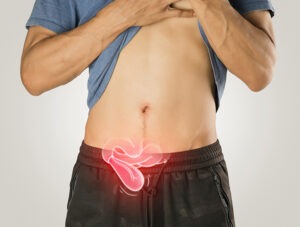
Advanced Hernia Treatment Options
Apex Hospitals provides modern surgical treatment based on hernia type, severity, and patient condition.
Laparoscopic Hernia Repair : Laparoscopic surgery is one of the most advanced minimally invasive treatment options available.
Benefits include:
- Small incisions
- Faster recovery
- Reduced pain
- Less bleeding
- Reduced infection risk
- Better cosmetic results
- Shorter hospitalization
The procedure uses specialized instruments and a camera system to repair the hernia internally.
Open Hernia Surgery : Open surgical repair may be recommended for:
- Large hernias
- Complicated hernias
- Emergency strangulated hernias
- Certain recurrent hernias
Mesh Hernia Repair : A surgical mesh is commonly used to strengthen weakened tissue and reduce recurrence risk.
Emergency Hernia Surgery : Emergency surgery may be required for:
- Strangulated hernia
- Obstructed bowel
- Severe abdominal pain
- Tissue damage due to compromised blood supply
Benefits of Early Hernia Treatment
Early surgical intervention provides several important advantages.
Benefits include:
- Prevention of complications
- Reduced pain and discomfort
- Faster recovery
- Smaller hernia size during surgery
- Reduced emergency surgery risk
- Better surgical outcomes
- Faster return to daily activities
- Improved quality of life
Delaying treatment usually increases surgical complexity and recovery time.
Preventive Care & Lifestyle Management
Preventive measures help reduce hernia progression and recurrence.
Avoid Heavy Lifting : Proper lifting techniques reduce abdominal strain.
Maintain Healthy Body Weight : Weight management reduces pressure on abdominal muscles.
Manage Constipation : Healthy bowel habits reduce straining during bowel movements.
Stop Smoking : Smoking weakens tissues and delays healing.
Exercise Regularly : Strengthening abdominal muscles supports abdominal wall stability.
Treat Chronic Cough : Managing persistent cough reduces repeated abdominal pressure.
Follow Postoperative Instructions : Proper recovery care helps prevent recurrence after surgery.
Recovery & Post-Surgical Care
Recovery depends on the type of hernia and surgical procedure performed.
Post-treatment care may include:
- Pain management
- Early mobilization
- Wound care support
- Activity restrictions
- Dietary guidance
- Physiotherapy support
- Follow-up consultations
Most minimally invasive procedures allow quicker recovery and earlier return to work.
Advanced Hernia Care You Can Trust in Rajahmundry
- Apex Hospitals continues to provide advanced hernia treatment and minimally invasive surgical care with a strong commitment to patient safety, faster healing, reduced pain, and long-term surgical success.
- With experienced surgeons, advanced laparoscopic technology, modern infrastructure, emergency surgical support, and patient-focused care, the hospital remains a trusted destination for hernia treatment in Rajahmundry.
- Whether you require laparoscopic hernia repair, emergency surgery for complicated hernia, recurrent hernia treatment, or advanced abdominal wall reconstruction, Apex Hospitals is committed to delivering comprehensive and compassionate surgical care tailored to every patient’s needs.
Frequently Asked Questions (FAQs)
1. What is a hernia?
A hernia occurs when an organ or tissue pushes through a weak area in the surrounding muscle or connective tissue wall.
2. What causes hernia?
Common causes include heavy lifting, chronic cough, obesity, constipation, previous surgery, pregnancy, and abdominal muscle weakness.
3. What are the symptoms of hernia?
Symptoms include swelling, groin pain, abdominal discomfort, heaviness, and pain during lifting or coughing.
4. Can a hernia heal without surgery?
No. Hernias generally do not heal naturally and often require surgical repair.
5. Is laparoscopic hernia surgery safe?
Yes. Laparoscopic hernia repair is a safe and minimally invasive procedure offering faster recovery and reduced pain.
6. What happens if hernia is left untreated?
Untreated hernias may enlarge and lead to obstruction, strangulation, severe pain, and emergency complications.
7. How long does recovery take after hernia surgery?
Recovery depends on the type of surgery and patient condition, but minimally invasive procedures usually allow quicker recovery.
8. Can hernia return after surgery?
Recurrence is possible but can be reduced with proper surgical repair and postoperative care.
9. What precautions should be taken after hernia surgery?
Patients should avoid heavy lifting, follow wound care instructions, maintain healthy weight, and attend follow-up appointments.
10. Why should I choose Apex Hospitals for hernia treatment?
Apex Hospitals offers experienced surgeons, advanced laparoscopic technology, emergency surgical support, personalized care, and comprehensive hernia treatment under one roof.
Get in Touch
For any questions fill out our form

Make
Appointment
&
Take Care Of Your
Healthy Life