
Fissure
Varicose Veins
Piles
Fissure
Fistula
Pilonidal sinus
Circumcision
Hernia
Hydrocele
Hysterectomy
Gynaecomastia
Lipoma
Sebaceous cyst
Diabetes
Diabetic foot
Gastric ulcer
Appendicitis
Thyroid surgery
Burns
Trauma & Accident care
Intestinal perforation
Intestinal obstruction
DVT
Gallstone
Metabolic and Bariatric
Best Anal Fissure Treatment Hospital in Rajahmundry
- Advanced diagnosis and treatment for anal fissures and anorectal disorders
- Experienced colorectal surgeons and gastrointestinal specialists
- Minimally invasive laser treatment for faster healing and reduced pain
- Comprehensive care for chronic fissures, rectal pain, and bowel disorders
- State-of-the-art diagnostic and surgical facilities
- Personalized treatment plans focused on long-term bowel health
- 24/7 emergency support for severe anorectal complications
- Modern operation theatres with advanced laser surgical technology
- Compassionate, confidential, and patient-focused care
- Specialized management for constipation-related anorectal conditions
- Affordable treatment with long-term follow-up support
- Integrated surgical and gastroenterology care under one roof
Apex Hospitals is one of the trusted healthcare destinations for advanced fissure treatment and anorectal care in Rajahmundry. The hospital provides comprehensive diagnosis, medical management, minimally invasive procedures, and surgical treatment for anal fissures with a strong focus on patient comfort, safety, faster recovery, and long-term bowel health improvement.
An anal fissure is a small tear or crack in the lining of the anal canal that commonly causes severe pain, bleeding, and discomfort during bowel movements. Although fissures may appear to be a minor condition initially, untreated fissures can gradually become chronic and lead to persistent pain, muscle spasms, infection, difficulty passing stools, and major impact on daily life.
Many people delay treatment because of embarrassment, fear of surgery, or the misconception that the condition will heal on its own. The reality is different. Chronic fissures often worsen without proper medical attention and may eventually require advanced surgical intervention. Early diagnosis and appropriate treatment are critical to prevent complications and restore normal bowel function.
At Apex Hospitals, patients receive evidence-based fissure treatment supported by experienced colorectal surgeons, gastroenterologists, modern laser technology, advanced diagnostics, and personalized care plans. The hospital focuses on minimally invasive treatment approaches that reduce pain, improve healing, minimize hospital stay, and help patients return to normal activities quickly.
The fissure treatment program at Apex Hospitals covers:
- Acute anal fissures
- Chronic anal fissures
- Constipation-related fissures
- Recurrent fissures
- Fissures associated with hemorrhoids
- Painful bowel movement disorders
- Anal sphincter spasms
- Associated anorectal conditions like piles and fistula
As one of the advanced surgical care centers in Rajahmundry, Apex Hospitals combines modern surgical expertise with patient-centered care to provide complete anorectal treatment under one roof. The hospital emphasizes accurate diagnosis, minimally invasive laser procedures, preventive care, dietary management, bowel habit correction, and long-term digestive health improvement.
The colorectal and gastrointestinal specialists at Apex Hospitals work closely with anesthesiologists, dieticians, nursing teams, and rehabilitation professionals to ensure safe procedures and smooth recovery for every patient. Whether patients require medications, lifestyle modifications, laser fissure surgery, or advanced surgical care for chronic fissures, Apex Hospitals delivers comprehensive treatment with clinical precision and compassionate support.
Why Choose Apex Hospitals for Fissure Treatment
At Apex Hospitals, fissure treatment is focused on accurate diagnosis, effective pain relief, minimally invasive procedures, and long-term bowel health management. The hospital combines advanced technology, experienced specialists, and patient-friendly care to ensure safe and successful treatment outcomes.
Experienced Colorectal & Surgical Specialists
The hospital is supported by skilled surgeons and gastrointestinal specialists experienced in treating acute and chronic anal fissures using advanced treatment techniques.
Advanced Laser Treatment
Laser fissure treatment offers several advantages:
- Minimal pain
- Reduced bleeding
- Faster healing
- Minimal tissue damage
- Lower infection risk
- Shorter hospital stay
- Faster return to normal activities
This minimally invasive approach improves patient comfort and recovery.
Comprehensive Anorectal Care
Apex Hospitals provides complete diagnosis and treatment for:
- Anal fissures
- Piles
- Fistula
- Rectal bleeding
- Chronic constipation
- Anal pain and swelling
- Bowel movement disorders
Personalized Treatment Plans
Each patient receives individualized treatment based on:
- Severity of the fissure
- Duration of symptoms
- Constipation history
- Lifestyle and dietary habits
- Associated anorectal disorders
- Previous treatment history
Confidential & Compassionate Care
Patients often hesitate to seek treatment due to embarrassment or fear. Apex Hospitals ensures confidential consultations and compassionate patient support throughout the treatment process.
Modern Surgical Infrastructure
The hospital is equipped with advanced operation theatres, laser systems, diagnostic facilities, recovery units, and emergency surgical support for safe anorectal procedures.
Affordable & Accessible Treatment
Apex Hospitals believes advanced fissure treatment should remain affordable and accessible without compromising patient safety or treatment quality.
Our Expert Surgical & Gastroenterology Team
The fissure treatment department at Apex Hospitals is supported by experienced colorectal surgeons, gastroenterologists, anesthesiologists, nurses, and rehabilitation professionals committed to delivering advanced anorectal care.
The team focuses on:
- Accurate diagnosis
- Patient comfort
- Safe procedures
- Minimally invasive treatment
- Faster recovery
- Long-term bowel health management
- Preventive care guidance
Through coordinated multidisciplinary care, patients receive comprehensive treatment under one roof.

Understanding Anal Fissures
An anal fissure is a tear or cut in the thin lining of the anal canal caused by excessive stretching or trauma during bowel movements. Fissures commonly occur when passing hard stools or during episodes of chronic constipation.
The condition can affect individuals of all age groups, including adults, elderly individuals, and even infants. Anal fissures are one of the most painful anorectal conditions because the tear exposes sensitive tissues and triggers spasms in the anal sphincter muscles.
Fissures are usually categorized into:
- Acute fissures
- Chronic fissures
Acute fissures are recent tears that may heal with medications and lifestyle changes. Chronic fissures persist for several weeks and often require advanced treatment or surgery due to poor healing and muscle spasms.
Common Causes of Anal Fissures
Several factors contribute to the development of anal fissures.
Chronic Constipation : Passing hard stools and excessive straining place pressure on the anal canal and commonly cause fissures.
Low-Fiber Diet : Insufficient fiber intake results in hard bowel movements and increases anal trauma risk.
Chronic Diarrhea : Repeated irritation from frequent bowel movements can damage the anal lining.
Prolonged Straining : Excessive straining during bowel movements increases pressure and causes tearing.
Sedentary Lifestyle : Poor physical activity affects digestion and bowel regularity.
Dehydration : Inadequate fluid intake contributes to hard stools and constipation.
Pregnancy & Childbirth : Increased pelvic pressure and delivery-related strain may lead to fissure formation.
Anal Muscle Tightness : Increased sphincter muscle tension reduces blood supply and delays healing.
Inflammatory Bowel Disorders : Certain intestinal diseases may contribute to recurrent fissures.
Symptoms of Anal Fissures
Symptoms can vary depending on the severity and duration of the fissure.
Common symptoms include:
- Severe pain during bowel movements
- Burning sensation after passing stools
- Bright red bleeding during bowel movements
- Sharp cutting pain in the anal region
- Anal irritation and itching
- Muscle spasms around the anus
- Fear of bowel movements due to pain
- Constipation caused by pain avoidance
- Visible crack or tear near the anus
- Swelling or skin tags near chronic fissures
Pain from fissures may continue for several hours after bowel movements in severe cases.
Types of Anal Fissures
Acute Anal Fissure : A recent tear in the anal lining that usually heals within a few weeks with proper treatment.
Chronic Anal Fissure : A long-standing fissure that persists for more than six weeks and may involve muscle spasm, scar tissue, or skin tags.
Recurrent Fissures : Some patients experience repeated fissures due to persistent constipation or bowel dysfunction.
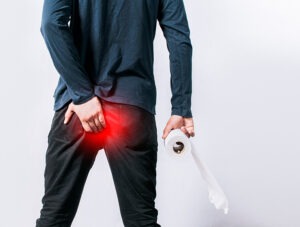
Risk Factors for Fissures
Certain individuals are at higher risk of developing anal fissures.
High-risk groups include:
- Individuals with chronic constipation
- Pregnant women
- Elderly individuals
- Sedentary workers
- People with low-fiber diets
- Patients with chronic bowel disorders
- Individuals with dehydration
- Patients with obesity
- People with irregular bowel habits
Early intervention significantly reduces complications and recurrence risk.
Complications of Untreated Fissures
Ignoring fissures often worsens symptoms and increases the risk of complications.
Chronic Pain : Untreated fissures can cause severe persistent pain affecting daily activities.
Muscle Spasm : Anal sphincter spasms reduce blood supply and delay healing.
Chronic Constipation : Pain during bowel movements often causes stool withholding and worsens constipation.
Infection : Untreated tears may occasionally become infected.
Fissure Recurrence : Improper healing increases the likelihood of repeated fissure episodes.
Skin Tags & Scar Tissue : Chronic fissures may develop fibrotic tissue and external skin tags.
Reduced Quality of Life : Pain and bowel difficulties affect work, sleep, sitting, and mental well-being.
Diseases & Conditions Treated
The anorectal care team at Apex Hospitals treats a wide range of gastrointestinal and anorectal disorders.
Anal Fissure : Advanced medical and surgical treatment for acute and chronic fissures.
Piles (Hemorrhoids) : Treatment for internal, external, thrombosed, and prolapsed hemorrhoids.
Anal Fistula :Surgical management for abnormal tunnels around the anal region.
Rectal Bleeding : Evaluation and treatment for anorectal bleeding disorders.
Chronic Constipation : Comprehensive bowel management and preventive treatment.
Perianal Abscess : Management of painful infected swelling around the anus.
Pruritus Ani : Treatment for persistent anal itching and irritation.
Diagnosis & Advanced Facilities at Apex Hospitals
Accurate diagnosis is essential before starting fissure treatment. Apex Hospitals provides comprehensive anorectal evaluation using modern diagnostic facilities.
Clinical Examination : Specialists assess pain, bleeding, swelling, muscle spasm, and visible fissure tears.
Proctoscopy : A specialized instrument helps examine the anal canal and lower rectum for associated disorders.
Sigmoidoscopy : Evaluation of the lower colon may be recommended in selected patients.
Colonoscopy : Patients with persistent bleeding or suspected gastrointestinal disorders may require colonoscopy.
Laboratory Investigations : Blood tests help evaluate infection, anemia, and overall health condition before treatment.
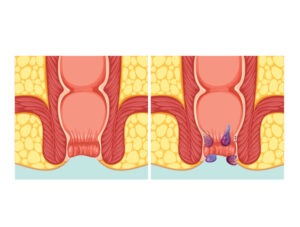
Advanced Treatment Options for Fissures
Apex Hospitals provides modern medical and surgical treatment based on the severity of the condition.
Lifestyle & Dietary Management
Many acute fissures improve with:
- High-fiber diet
- Increased water intake
- Proper bowel habits
- Regular exercise
- Stool softeners
- Avoiding straining during bowel movements
These measures reduce pressure on the anal canal and improve healing.
Medications
Medications may help:
- Reduce pain
- Relax anal muscles
- Improve blood flow
- Reduce inflammation
- Promote healing
However, chronic fissures may not heal permanently with medicines alone.
Sitz Bath Therapy
Warm water sitting baths help:
- Relax anal muscles
- Improve blood circulation
- Reduce pain and irritation
- Promote healing
Sitz baths are commonly recommended as part of fissure management.
Laser Fissure Surgery
Laser treatment is one of the most advanced minimally invasive options available for chronic fissure management.
Benefits include:
- Minimal pain
- Reduced bleeding
- Faster healing
- Minimal tissue damage
- Lower infection risk
- Short hospital stay
- Faster recovery
Laser procedures significantly improve patient comfort compared to conventional surgery.
Lateral Internal Sphincterotomy
This surgical procedure reduces anal muscle spasm and allows the fissure to heal properly. It is often recommended for chronic fissures that fail conservative treatment.
Botox Injection Therapy
Botulinum toxin injections may help relax the anal sphincter muscles and support healing in selected cases.
Benefits of Early Fissure Treatment
Early diagnosis and treatment provide several important benefits.
Benefits include:
- Faster pain relief
- Improved healing
- Reduced constipation risk
- Prevention of chronic fissures
- Reduced surgery risk
- Better bowel function
- Prevention of complications
- Improved quality of life
Delaying treatment often leads to chronic fissures requiring more advanced surgical intervention.
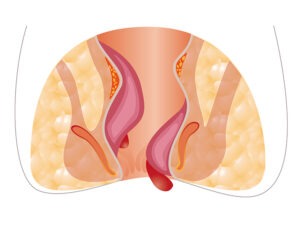
Preventive Care & Healthy Bowel Management
Long-term bowel health management is essential to prevent fissure recurrence.
Eat a High-Fiber Diet : Fiber softens stools and improves bowel movement consistency.
Drink Adequate Water : Hydration prevents hard stools and constipation.
Exercise Regularly : Physical activity improves digestion and bowel movement regularity.
Avoid Straining During Bowel Movements : Excessive pressure damages the anal lining and worsens fissures.
Maintain Proper Bowel Habits : Ignoring bowel urges increases constipation risk.
Limit Spicy & Processed Foods : Certain foods may worsen irritation and digestive problems.
Maintain Healthy Body Weight : Weight control supports digestive and bowel health.
Follow Medical Advice : Regular follow-up care helps prevent recurrence and complications.
Recovery & Post-Treatment Care
Recovery depends on the severity of the fissure and the treatment performed.
Post-treatment care may include:
- Pain management
- Sitz bath therapy
- High-fiber diet
- Hydration support
- Medication guidance
- Activity modification
- Follow-up consultations
- Bowel management support
Most minimally invasive procedures allow patients to return to normal activities within a short period.
Advanced Fissure Care You Can Trust in Rajahmundry
- Apex Hospitals continues to provide advanced fissure treatment and anorectal care services with a strong commitment to patient safety, minimally invasive treatment, faster recovery, and long-term digestive health improvement.
- With experienced specialists, modern laser technology, advanced surgical infrastructure, and patient-focused care, the hospital remains a trusted destination for fissure treatment in Rajahmundry.
- Whether you require medical management, laser fissure surgery, constipation treatment, or advanced care for chronic anorectal disorders, Apex Hospitals is committed to delivering comprehensive and compassionate treatment tailored to every patient’s needs.
Frequently Asked Questions (FAQs)
1. What is an anal fissure?
An anal fissure is a small tear or crack in the lining of the anal canal that causes pain and bleeding during bowel movements.
2. What causes anal fissures?
Common causes include constipation, hard stools, chronic diarrhea, straining during bowel movements, low-fiber diet, and dehydration.
3. What are the symptoms of fissures?
Symptoms include severe pain during bowel movements, burning sensation, bleeding, itching, and muscle spasms around the anus.
4. Can fissures heal without surgery?
Acute fissures may heal with medications, dietary changes, hydration, and proper bowel management.
5. When is surgery needed for fissures?
Surgery may be recommended for chronic fissures that fail to heal with medications and conservative treatment.
6. Is laser fissure surgery painful?
Laser treatment is minimally invasive and usually causes less pain, reduced bleeding, and faster recovery compared to conventional surgery.
7. How long does recovery take after fissure treatment?
Recovery depends on the treatment method, but minimally invasive procedures generally allow faster return to normal activities.
8. Can fissures come back after treatment?
Recurrence is possible if constipation and bowel habits are not properly managed.
9. How can fissures be prevented?
A high-fiber diet, proper hydration, regular exercise, and avoiding constipation help reduce fissure risk.
10. Why should I choose Apex Hospitals for fissure treatment?
Apex Hospitals offers experienced specialists, advanced laser treatment, modern surgical infrastructure, personalized care, and comprehensive anorectal treatment under one roof.
Get in Touch
For any questions fill out our form

Make
Appointment
&
Take Care Of Your
Healthy Life