
Circumcision
Varicose Veins
Piles
Fissure
Fistula
Pilonidal sinus
Circumcision
Hernia
Hydrocele
Hysterectomy
Gynaecomastia
Lipoma
Sebaceous cyst
Diabetes
Diabetic foot
Gastric ulcer
Appendicitis
Thyroid surgery
Burns
Trauma & Accident care
Intestinal perforation
Intestinal obstruction
DVT
Gallstone
Metabolic and Bariatric
Best Circumcision Surgery Hospital in Rajahmundry
- Advanced diagnosis and treatment for foreskin-related conditions
- Experienced urologists and minimally invasive surgical specialists
- Safe and advanced laser circumcision procedures
- Comprehensive care for phimosis, balanitis, and foreskin infections
- State-of-the-art surgical and diagnostic facilities
- Personalized treatment plans for children and adults
- Modern laser technology for faster recovery and minimal discomfort
- 24/7 surgical and emergency support services
- Compassionate, confidential, and patient-focused care
- Short hospital stay with quick return to normal activities
- Affordable circumcision surgery with long-term follow-up support
- Integrated urology and surgical care under one roof
Apex Hospitals is one of the trusted healthcare destinations for advanced circumcision surgery and urology care in Rajahmundry. The hospital provides comprehensive diagnosis, medical management, minimally invasive procedures, and surgical treatment for foreskin-related conditions with a strong focus on patient safety, comfort, hygiene, faster recovery, and long-term urological health.
Circumcision is a surgical procedure performed to remove the foreskin covering the head of the penis. While circumcision may be performed for cultural or religious reasons, it is also widely recommended for several medical conditions affecting the foreskin and penile health. Problems such as phimosis, recurrent infections, painful urination, difficulty retracting the foreskin, and hygiene-related complications often require proper medical evaluation and surgical treatment.
Many patients delay treatment due to embarrassment, fear of surgery, or lack of awareness about available minimally invasive procedures. Ignoring foreskin-related problems can lead to repeated infections, severe pain, urinary difficulty, swelling, hygiene issues, and long-term complications affecting daily life and sexual health. Early diagnosis and appropriate treatment significantly improve outcomes and patient comfort.
At Apex Hospitals, patients receive evidence-based circumcision treatment supported by experienced urologists, advanced laser technology, modern surgical facilities, and personalized care plans. The hospital focuses on minimally invasive laser circumcision techniques that reduce pain, minimize bleeding, improve healing, shorten recovery time, and help patients return to normal activities quickly.
The circumcision treatment program at Apex Hospitals covers:
- Medical circumcision
- Laser circumcision
- Adult circumcision
- Pediatric circumcision
- Phimosis treatment
- Paraphimosis management
- Balanitis treatment
- Recurrent foreskin infections
- Tight foreskin disorders
- Hygiene-related foreskin complications
As one of the advanced urology and surgical care centers in Rajahmundry, Apex Hospitals combines modern surgical expertise with patient-centered care to provide complete circumcision and foreskin treatment under one roof. The hospital emphasizes accurate diagnosis, minimally invasive laser procedures, infection prevention, postoperative care, and long-term urological health management.
The urology specialists at Apex Hospitals work closely with anesthesiologists, pediatric specialists, nurses, and rehabilitation teams to ensure safe procedures and smooth recovery for every patient. Whether patients require laser circumcision, infection treatment, pediatric foreskin surgery, or management for chronic foreskin disorders, Apex Hospitals delivers comprehensive care with clinical precision and compassionate support.
Why Choose Apex Hospitals for Circumcision Surgery
At Apex Hospitals, circumcision treatment is focused on patient safety, minimally invasive surgery, faster healing, and long-term hygiene and urological health improvement. The hospital combines experie
Experienced Urologists & Surgical Specialists : The hospital is supported by experienced urologists and surgeons trained in performing circumcision procedures for both children and adults using advanced surgical techniques.
Advanced Laser Circumcision : Laser circumcision offers several advantages:
- Minimal pain
- Reduced bleeding
- Faster healing
- Minimal tissue damage
- Lower infection risk
- Shorter procedure duration
- Faster return to normal activities
- Better cosmetic outcomes
This minimally invasive approach improves patient comfort and postoperative recovery.
Comprehensive Urology Care : Apex Hospitals provides complete diagnosis and treatment for:
- Phimosis
- Paraphimosis
- Balanitis
- Foreskin infection
- Tight foreskin disorders
- Painful urination related to foreskin problems
- Hygiene-related complications
Personalized Treatment Plans : Every patient receives individualized care based on:
- Age and health condition
- Severity of foreskin problem
- Presence of infection
- Medical history
- Lifestyle and hygiene concerns
- Surgical requirements
Confidential & Compassionate Care : Many patients hesitate to seek treatment because of embarrassment or anxiety. Apex Hospitals ensures confidential consultations and compassionate support throughout the treatment process.
Modern Surgical Infrastructure : The hospital is equipped with advanced operation theatres, laser systems, recovery units, and emergency surgical support for safe circumcision procedures.
Affordable & Accessible Treatment : Apex Hospitals believes advanced urology care should remain affordable and accessible without compromising patient safety or treatment quality.
Our Expert Urology & Surgical Team
The circumcision treatment department at Apex Hospitals is supported by experienced urologists, surgeons, anesthesiologists, nurses, and rehabilitation professionals committed to delivering advanced urological care.
The team focuses on:
- Accurate diagnosis
- Safe procedures
- Minimally invasive treatment
- Faster recovery
- Infection prevention
- Long-term urological health
- Patient comfort and safety
Through coordinated multidisciplinary care, patients receive complete treatment support under one roof.
Understanding Circumcision
Circumcision is a surgical procedure that removes the foreskin covering the head of the penis. The procedure may be performed for:
- Medical reasons
- Hygiene-related concerns
- Recurrent infection
- Religious practices
- Cultural preferences
In medical practice, circumcision is commonly recommended when foreskin problems interfere with hygiene, urination, comfort, or sexual health.
Modern circumcision procedures are safe, minimally invasive, and associated with faster recovery when performed by experienced specialists using advanced technology.
Medical Conditions Requiring Circumcision
Several foreskin-related conditions may require circumcision surgery.
- Phimosis : Phimosis is a condition where the foreskin becomes too tight to retract over the head of the penis. It may cause:
- Pain
- Swelling
- Difficulty cleaning
- Painful urination
- Recurrent infection
Severe phimosis often requires surgical treatment.
- Paraphimosis : Paraphimosis occurs when the retracted foreskin becomes trapped behind the penile head and cannot return to its normal position. This is a medical emergency requiring immediate treatment.
- Balanitis : Inflammation or infection of the head of the penis may cause:
- Redness
- Swelling
- Burning sensation
- Discharge
- Pain
Repeated episodes often require circumcision for long-term relief.
- Recurrent Foreskin Infection : Chronic infections affecting the foreskin and surrounding tissue may lead to discomfort and hygiene issues.
- Pain During Urination or Intercourse : Tight foreskin may cause pain and functional difficulty.
- Hygiene Difficulties : Inability to clean properly beneath the foreskin increases infection risk and irritation.

Common Symptoms of Foreskin Disorders
Symptoms vary depending on the underlying condition.
Common symptoms include:
- Tight foreskin
- Pain during urination
- Swelling or redness
- Difficulty retracting foreskin
- Recurrent infection
- White discharge or foul smell
- Burning sensation
- Pain during sexual activity
- Cracking or bleeding of foreskin
- Difficulty maintaining hygiene
Ignoring these symptoms may worsen infection and increase complications.
Risk Factors for Foreskin Problems
Certain individuals are more likely to develop foreskin-related conditions.
High-risk groups include:
- Diabetic patients
- Individuals with poor hygiene
- Patients with recurrent infection
- Men with tight foreskin since childhood
- Individuals with weakened immunity
- Patients with chronic inflammation
- Individuals with obesity
- Patients with recurrent urinary tract infections
Early diagnosis and treatment significantly improve outcomes.
Complications of Untreated Foreskin Disorders
Untreated foreskin conditions may lead to serious complications.
- Recurrent Infection : Repeated infection may damage skin and surrounding tissues.
- Urinary Difficulty : Severe phimosis may interfere with normal urination.
- Pain & Swelling : Persistent inflammation causes ongoing discomfort.
- Poor Hygiene : Difficulty cleaning beneath the foreskin increases bacterial growth.
- Sexual Dysfunction : Pain during intercourse affects quality of life and sexual health.
- Paraphimosis Complications : Untreated paraphimosis may affect blood supply to the penis and require emergency care.
- Increased Infection Risk : Chronic inflammation increases the risk of severe infection.
Diseases & Conditions Treated
The urology care team at Apex Hospitals treats a wide range of foreskin and penile disorders.
- Phimosis : Advanced medical and surgical treatment for tight foreskin.
- Paraphimosis : Emergency treatment for trapped foreskin conditions.
- Balanitis : Management for infection and inflammation of the penile head.
- Recurrent Foreskin Infection : Long-term treatment for repeated infection and irritation.
- Tight Foreskin Disorders : Comprehensive care for painful or non-retractable foreskin.
- Hygiene-Related Foreskin Problems : Treatment focused on improving cleanliness and preventing infection.
Diagnosis & Advanced Facilities at Apex Hospitals
Accurate diagnosis is essential before circumcision surgery. Apex Hospitals provides comprehensive evaluation using advanced urology facilities.
Clinical Examination
Specialists assess:
- Foreskin tightness
- Infection severity
- Swelling and inflammation
- Urinary difficulty
- Hygiene-related complications
Medical History Evaluation
Doctors review:
- Previous infections
- Diabetes status
- Urinary symptoms
- Medication history
- Surgical history
Laboratory Investigations
Blood tests and urine analysis may be recommended to evaluate infection, diabetes, and overall health before surgery.
Pediatric Evaluation
Specialized assessment is available for children requiring circumcision or foreskin treatment.
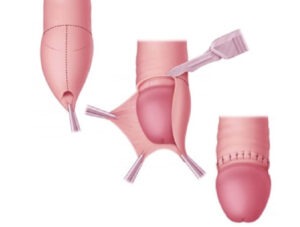
Advanced Circumcision Treatment Options
Apex Hospitals provides modern circumcision procedures based on patient condition and age.
Laser Circumcision
Laser circumcision is one of the most advanced minimally invasive procedures available today.
Benefits include:
- Minimal pain
- Reduced bleeding
- Faster recovery
- Better precision
- Lower infection risk
- Minimal scarring
- Short hospital stay
- Faster return to work and daily activities
Laser procedures significantly improve patient comfort compared to traditional surgery.
Stapler Circumcision
Stapler-assisted circumcision allows precise foreskin removal with faster healing and minimal tissue trauma.
Conventional Circumcision Surgery
Traditional surgical circumcision may be recommended in selected cases depending on the condition and anatomy.
Pediatric Circumcision
Specialized surgical care is available for infants and children requiring circumcision for medical or cultural reasons.
Benefits of Circumcision
Circumcision offers several medical and hygiene-related advantages.
Benefits include:
- Improved hygiene
- Reduced infection risk
- Easier cleaning
- Reduced foreskin irritation
- Better management of phimosis
- Reduced recurrent balanitis episodes
- Improved comfort
- Better urinary hygiene
- Long-term foreskin health improvement
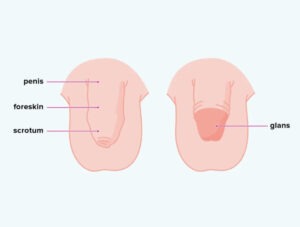
Benefits of Early Treatment
Early diagnosis and treatment provide several important advantages.
Benefits include:
- Prevention of repeated infection
- Faster healing
- Reduced pain and discomfort
- Better hygiene maintenance
- Reduced complication risk
- Improved urinary function
- Improved quality of life
- Reduced emergency risk from paraphimosis
Delaying treatment often worsens symptoms and increases infection-related complications.
Preventive Care & Hygiene Management
Long-term hygiene and preventive care are important for maintaining urological health.
- Maintain Proper Hygiene : Regular cleaning helps reduce bacterial growth and infection risk.
- Manage Diabetes Properly : Good blood sugar control reduces infection risk and improves healing.
- Avoid Forced Retraction : Improper handling of tight foreskin may cause injury and scarring.
- Seek Early Medical Advice : Early treatment prevents complications and advanced infection.
- Follow Postoperative Instructions : Proper wound care supports smooth healing after circumcision.
Recovery & Post-Treatment Care
Recovery depends on the treatment method and patient condition.
Post-treatment care may include:
- Pain management
- Wound care support
- Hygiene instructions
- Antibiotic therapy
- Activity restriction guidance
- Follow-up consultations
- Infection monitoring
Most minimally invasive procedures allow patients to resume normal activities within a short period.
Advanced Circumcision Care You Can Trust in Rajahmundry
- Apex Hospitals continues to provide advanced circumcision surgery and urology care services with a strong commitment to patient safety, minimally invasive procedures, faster healing, infection prevention, and long-term hygiene improvement.
- With experienced specialists, modern laser technology, advanced surgical infrastructure, and patient-focused care, the hospital remains a trusted destination for circumcision surgery in Rajahmundry.
- Whether you require laser circumcision, treatment for phimosis, pediatric foreskin surgery, or advanced care for recurrent foreskin infections, Apex Hospitals is committed to delivering comprehensive and compassionate treatment tailored to every patient’s needs.
Frequently Asked Questions (FAQs)
1. What is circumcision?
Circumcision is a surgical procedure performed to remove the foreskin covering the head of the penis.
2. Why is circumcision performed?
Circumcision may be done for medical, hygiene, cultural, or religious reasons.
3. What medical conditions require circumcision?
Conditions such as phimosis, paraphimosis, recurrent balanitis, foreskin infection, and tight foreskin may require circumcision.
4. Is laser circumcision painful?
Laser circumcision is minimally invasive and generally involves less pain, reduced bleeding, and faster recovery compared to conventional surgery.
5. How long does circumcision recovery take?
Recovery varies depending on the procedure and patient condition, but most patients recover within a few weeks.
6. Can adults undergo circumcision?
Yes. Circumcision can safely be performed in both adults and children.
7. Is circumcision a day-care procedure?
Many laser circumcision procedures are performed as day-care surgeries allowing early discharge.
8. What are the benefits of circumcision?
Benefits include improved hygiene, reduced infection risk, easier cleaning, and treatment of foreskin-related disorders.
9. What precautions are needed after circumcision?
Patients should follow hygiene instructions, avoid strenuous activity, take prescribed medications, and attend follow-up appointments.
10. Why should I choose Apex Hospitals for circumcision surgery?
Apex Hospitals offers experienced urologists, advanced laser technology, modern surgical infrastructure, personalized care, and comprehensive urology treatment under one roof.
Get in Touch
For any questions fill out our form

Make
Appointment
&
Take Care Of Your
Healthy Life