
Pilonidal sinus
Varicose Veins
Piles
Fissure
Fistula
Pilonidal sinus
Circumcision
Hernia
Hydrocele
Hysterectomy
Gynaecomastia
Lipoma
Sebaceous cyst
Diabetes
Diabetic foot
Gastric ulcer
Appendicitis
Thyroid surgery
Burns
Trauma & Accident care
Intestinal perforation
Intestinal obstruction
DVT
Gallstone
Metabolic and Bariatric
Best Pilonidal Sinus Treatment Hospital in Rajahmundry
- Advanced diagnosis and treatment for pilonidal sinus and infected sinus disorders
- Experienced colorectal surgeons and minimally invasive surgical specialists
- Comprehensive care for pilonidal cysts, abscesses, and recurrent sinus infections
- Advanced laser treatment for faster healing and reduced recurrence risk
- State-of-the-art diagnostic and surgical facilities
- Personalized treatment plans focused on long-term recovery and prevention
- 24/7 emergency support for infected pilonidal abscess and complications
- Modern operation theatres with advanced minimally invasive surgical technology
- Compassionate, confidential, and patient-focused care
- Specialized wound care and infection management support
- Affordable treatment options with long-term follow-up care
- Integrated surgical and gastrointestinal care under one roof
Apex Hospitals is one of the trusted healthcare destinations for advanced pilonidal sinus treatment and surgical care in Rajahmundry. The hospital provides comprehensive diagnosis, medical management, minimally invasive procedures, and surgical treatment for pilonidal sinus with a strong focus on patient comfort, infection control, faster recovery, and long-term prevention of recurrence.
A pilonidal sinus is a small tunnel or cavity that develops in the skin, usually near the tailbone at the top of the buttock crease. This condition commonly contains hair, dead skin cells, debris, and infected tissue. Over time, the sinus can become infected and painful, leading to swelling, pus discharge, abscess formation, and repeated infections.
Many people initially ignore pilonidal sinus because symptoms may start as mild discomfort or swelling. But ignoring the condition is a mistake. Once infection develops, the sinus rarely resolves permanently without proper medical treatment. Delayed treatment often leads to recurrent abscesses, chronic infection, multiple sinus tracts, and more complicated surgical procedures.
At Apex Hospitals, patients receive evidence-based pilonidal sinus treatment supported by experienced surgeons, advanced laser technology, modern diagnostic facilities, and personalized care plans. The hospital focuses on minimally invasive treatment approaches that reduce pain, improve wound healing, minimize hospital stay, and help patients return to normal life quickly.
The pilonidal sinus treatment program at Apex Hospitals covers:
- Acute pilonidal sinus
- Chronic pilonidal sinus
- Infected pilonidal cysts
- Pilonidal abscess
- Recurrent pilonidal sinus
- Multiple sinus tract disease
- Chronic wound and drainage disorders
- Pilonidal infections associated with prolonged sitting and hair growth
As one of the advanced surgical care centers in Rajahmundry, Apex Hospitals combines modern surgical expertise with patient-centered care to provide complete pilonidal sinus management under one roof. The hospital emphasizes accurate diagnosis, minimally invasive laser procedures, infection control, wound care management, preventive counseling, and long-term follow-up support.
The surgical specialists at Apex Hospitals work closely with anesthesiologists, nurses, wound care teams, and rehabilitation professionals to ensure safe procedures and smooth recovery for every patient. Whether patients require abscess drainage, laser sinus surgery, infection management, or advanced surgical treatment for recurrent disease, Apex Hospitals delivers comprehensive care with clinical precision and compassionate support.
Why Choose Apex Hospitals for Pilonidal Sinus Treatment
At Apex Hospitals, pilonidal sinus treatment is focused on accurate diagnosis, infection control, minimally invasive surgery, faster wound healing, and prevention of recurrence. The hospital combines experienced specialists, modern technology, and patient-centered care to ensure safe and effective treatment outcomes.
Experienced Surgical Specialists
The hospital is supported by experienced surgeons trained in treating acute and recurrent pilonidal sinus conditions using advanced minimally invasive techniques.
Advanced Laser Treatment
Laser pilonidal sinus treatment offers several advantages:
- Minimal pain
- Reduced bleeding
- Faster healing
- Smaller wounds
- Lower infection risk
- Minimal tissue damage
- Shorter hospital stay
- Reduced recurrence risk
This modern treatment approach improves patient comfort and postoperative recovery.
Comprehensive Surgical Care
Apex Hospitals provides complete diagnosis and treatment for:
- Pilonidal sinus
- Pilonidal abscess
- Chronic sinus infections
- Recurrent sinus disease
- Soft tissue infection and drainage disorders
- Wound healing complications
Personalized Treatment Plans
Every patient receives individualized care based on:
- Severity of infection
- Number of sinus tracts
- Previous surgeries
- Presence of abscess
- Lifestyle and occupation
- Risk of recurrence
Confidential & Compassionate Care
Many patients delay treatment due to embarrassment or fear of surgery. Apex Hospitals ensures confidential consultations and compassionate support throughout the treatment process.
Modern Surgical Infrastructure
The hospital is equipped with advanced operation theatres, laser systems, wound care facilities, recovery units, and emergency surgical support for safe procedures.
Affordable & Accessible Treatment
Apex Hospitals believes advanced surgical care should remain affordable and accessible without compromising quality or patient safety.
Our Expert Surgical Care Team
The pilonidal sinus treatment department at Apex Hospitals is supported by experienced surgeons, anesthesiologists, wound care specialists, nurses, and rehabilitation professionals committed to delivering advanced surgical care.
The team focuses on:
- Accurate diagnosis
- Infection control
- Safe procedures
- Minimally invasive treatment
- Faster healing
- Prevention of recurrence
- Long-term wound management
- Patient comfort and safety
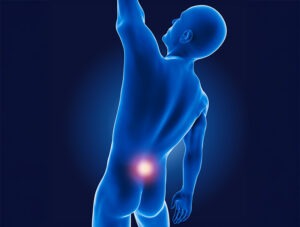
Understanding Pilonidal Sinus
A pilonidal sinus is a small tunnel or cavity that forms under the skin near the tailbone region. The word “pilonidal” means “nest of hair,” because the condition commonly contains trapped hair inside the sinus cavity.
The condition usually develops when loose hair penetrates the skin due to friction, pressure, or prolonged sitting. The body treats the trapped hair as a foreign substance, leading to inflammation, infection, and sinus formation.
Over time, infection may spread inside the cavity causing:
- Pain
- Swelling
- Pus discharge
- Abscess formation
- Chronic drainage
- Skin irritation
Pilonidal sinus commonly affects young adults and individuals who sit for long hours. Without proper treatment, the condition frequently recurs and may become chronic.
Common Causes of Pilonidal Sinus
Several factors contribute to the development of pilonidal sinus.
Excess Hair Growth : Loose hair entering the skin is one of the primary causes of sinus formation.
Prolonged Sitting : Long sitting hours increase friction and pressure around the tailbone region.
Poor Hygiene : Poor skin hygiene increases infection risk and skin irritation.
Obesity : Excess body weight increases sweating, friction, and pressure in the lower back region.
Excessive Sweating : Moist skin promotes bacterial growth and irritation.
Repeated Friction or Trauma : Continuous rubbing around the buttock crease damages skin and promotes sinus development.
Sedentary Lifestyle : People with inactive lifestyles are more likely to develop pilonidal disease.
Family History : Some individuals may have increased susceptibility due to hereditary factors.
Symptoms of Pilonidal Sinus
Symptoms depend on whether the sinus is infected or chronic.
Common symptoms include:
- Pain near the tailbone
- Swelling in the buttock crease
- Redness and skin irritation
- Pus or blood discharge
- Foul-smelling drainage
- Pain while sitting
- Fever during severe infection
- Skin tenderness
- Visible pits or openings in the skin
- Recurrent abscess formation
Symptoms often worsen when infection develops inside the sinus cavity.
Types of Pilonidal Disease
- Acute Pilonidal Sinus : A newly infected sinus causing pain, swelling, and abscess formation.
- Chronic Pilonidal Sinus : A long-standing sinus with repeated discharge and recurring infection.
- Pilonidal Abscess : A pus-filled infected cavity causing severe pain and swelling.
- Recurrent Pilonidal Sinus : Disease that returns after previous treatment or incomplete healing.

Risk Factors for Pilonidal Sinus
Certain individuals are at higher risk of developing pilonidal disease.
High-risk groups include:
- Young adults
- Men with excessive body hair
- Obese individuals
- Drivers and desk-job workers
- Individuals sitting for prolonged hours
- People with poor hygiene
- Individuals with sedentary lifestyles
- Patients with excessive sweating
Early diagnosis and treatment significantly reduce complications and recurrence risk.
Complications of Untreated Pilonidal Sinus
Ignoring pilonidal sinus often leads to serious complications.
- Recurrent Infection : Untreated sinus cavities repeatedly become infected.
- Abscess Formation : Painful pus collections may develop requiring emergency drainage.
- Multiple Sinus Tracts : Chronic disease may create complex branching sinus pathways.
- Chronic Pain : Persistent inflammation causes ongoing discomfort and sitting difficulty.
- Skin Infection : Infection may spread into surrounding tissues.
- Delayed Healing : Long-standing disease often requires more extensive surgery and prolonged wound care.
- Reduced Quality of Life : Pain, drainage, odor, and dressing requirements significantly affect daily activities.
Diseases & Conditions Treated
The surgical care team at Apex Hospitals provides treatment for a wide range of sinus and anorectal conditions.
- Pilonidal Sinus : Advanced medical and surgical treatment for acute and chronic pilonidal disease.
- Pilonidal Abscess : Emergency drainage and infection control for painful abscesses.
- Recurrent Sinus Disease : Specialized care for patients with repeated sinus recurrence.
- Soft Tissue Infection : Management of infected skin and tissue around the sinus region.
- Chronic Wound Disorders : Comprehensive wound healing and infection management support.
- Associated Anorectal Conditions : Treatment for piles, fissures, fistula, and related disorders.
Diagnosis & Advanced Facilities at Apex Hospitals
Accurate diagnosis is essential before starting treatment. Apex Hospitals provides comprehensive evaluation using modern diagnostic facilities.
Clinical Examination : Specialists assess swelling, drainage, infection, sinus openings, and tissue involvement.
Imaging Studies : Imaging may be recommended in complex or recurrent disease to evaluate:
- Depth of sinus tracts
- Abscess formation
- Multiple pathways
- Surrounding tissue involvement
Laboratory Investigations : Blood tests help evaluate infection, inflammation, diabetes, and overall health condition before surgery.
Wound Assessment : Detailed wound evaluation helps specialists plan appropriate surgical and wound care strategies.
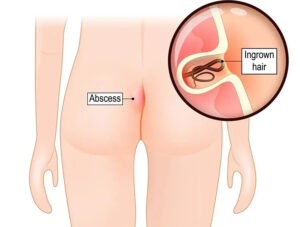
Advanced Treatment Options for Pilonidal Sinus
Apex Hospitals provides modern medical and surgical treatment based on disease severity and infection status.
Infection & Abscess Management
Initial treatment may include:
- Antibiotics
- Pain management
- Drainage of abscess
- Infection control measures
Proper infection management is essential before definitive surgery.
Laser Pilonidal Sinus Treatment
Laser treatment is one of the most advanced minimally invasive options available.
Benefits include:
- Minimal pain
- Reduced bleeding
- Faster wound healing
- Minimal scarring
- Lower recurrence risk
- Reduced tissue damage
- Faster return to daily activities
Laser procedures significantly improve recovery compared to conventional open surgery.
Sinus Excision Surgery
The infected sinus tract and surrounding diseased tissue are surgically removed to prevent recurrence.
This procedure may be recommended for:
- Chronic sinus disease
- Multiple tracts
- Recurrent infections
- Failed previous treatment
Drainage of Pilonidal Abscess
Emergency drainage may be required for severely infected abscesses causing intense pain and swelling.
Flap Procedures
Advanced reconstructive procedures may be used in complex or recurrent cases to improve healing and reduce recurrence.
Benefits of Early Pilonidal Sinus Treatment
Early treatment provides several important benefits.
Benefits include:
- Faster pain relief
- Reduced infection risk
- Prevention of abscess formation
- Reduced recurrence risk
- Faster wound healing
- Better surgical outcomes
- Reduced chronic drainage
- Improved quality of life
Delaying treatment usually increases surgical complexity and prolongs recovery.
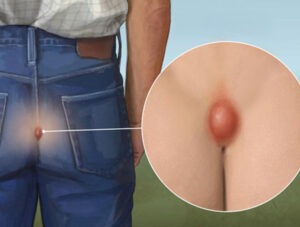
Preventive Care & Long-Term Management
Preventive care plays a major role in reducing recurrence after treatment.
- Maintain Proper Hygiene : Regular cleaning reduces infection and irritation risk.
- Avoid Prolonged Sitting : Frequent movement reduces pressure on the tailbone area.
- Maintain Healthy Body Weight : Weight management reduces friction and sweating.
- Hair Removal Around the Area : Reducing excess hair helps prevent recurrence.
- Wear Comfortable Clothing : Loose clothing minimizes friction and skin irritation.
- Stay Physically Active : Regular movement improves skin health and circulation.
- Follow Medical Advice : Routine follow-up care helps detect early recurrence.
Recovery & Post-Treatment Care
Recovery depends on the severity of disease and the treatment performed.
Post-treatment care may include:
- Wound care support
- Dressing changes
- Pain management
- Antibiotic therapy
- Hygiene guidance
- Activity modification
- Follow-up consultations
- Hair management advice
Most minimally invasive procedures allow faster recovery and earlier return to normal activities.
Advanced Pilonidal Sinus Care You Can Trust in Rajahmundry
- Apex Hospitals continues to provide advanced pilonidal sinus treatment and surgical care services with a strong commitment to patient safety, minimally invasive procedures, infection control, faster recovery, and long-term healing.
- With experienced specialists, modern laser technology, advanced surgical infrastructure, and patient-focused care, the hospital remains a trusted destination for pilonidal sinus treatment in Rajahmundry.
- Whether you require abscess drainage, laser sinus surgery, treatment for recurrent sinus disease, or advanced wound care management, Apex Hospitals is committed to delivering comprehensive and compassionate treatment tailored to every patient’s needs.
Frequently Asked Questions (FAQs)
1. What is a pilonidal sinus?
A pilonidal sinus is a small tunnel or cavity near the tailbone containing hair, debris, and infected tissue.
2. What causes pilonidal sinus?
Common causes include trapped hair, prolonged sitting, obesity, excessive sweating, friction, and poor hygiene.
3. What are the symptoms of pilonidal sinus?
Symptoms include pain, swelling, pus discharge, redness, foul-smelling drainage, fever, and difficulty sitting.
4. Can pilonidal sinus heal without surgery?
Mild infection may temporarily improve with medicines, but most chronic pilonidal sinus cases require surgical treatment.
5. Is laser pilonidal sinus surgery painful?
Laser treatment is minimally invasive and generally involves less pain, reduced bleeding, and faster recovery compared to traditional surgery.
6. How long does recovery take after pilonidal sinus surgery?
Recovery depends on disease severity and treatment type, but minimally invasive procedures usually allow quicker healing.
7. Can pilonidal sinus come back after treatment?
Recurrence is possible, especially if hygiene, hair management, and preventive care are ignored.
8. Is pilonidal sinus dangerous if left untreated?
Untreated disease can lead to recurrent abscesses, chronic infection, multiple sinus tracts, and severe pain.
9. How can pilonidal sinus be prevented?
Maintaining hygiene, avoiding prolonged sitting, managing body hair, staying active, and maintaining healthy weight help reduce risk.
10. Why should I choose Apex Hospitals for pilonidal sinus treatment?
Apex Hospitals offers experienced specialists, advanced laser treatment, modern surgical infrastructure, personalized care, and comprehensive wound management under one roof.
Get in Touch
For any questions fill out our form

Make
Appointment
&
Take Care Of Your
Healthy Life