
Intestinal obstruction
Varicose Veins
Piles
Fissure
Fistula
Pilonidal sinus
Circumcision
Hernia
Hydrocele
Hysterectomy
Gynaecomastia
Lipoma
Sebaceous cyst
Diabetes
Diabetic foot
Gastric ulcer
Appendicitis
Thyroid surgery
Burns
Trauma & Accident care
Intestinal perforation
Intestinal obstruction
DVT
Gallstone
Metabolic and Bariatric
Best Intestinal Obstruction Treatment Hospital in Rajahmundry
- Advanced emergency diagnosis and surgical treatment for intestinal obstruction and bowel-related emergencies
- Experienced gastrointestinal surgeons, laparoscopic surgeons, emergency physicians, and critical care specialists
- 24/7 emergency abdominal care and surgical support services
- Comprehensive treatment for small bowel obstruction, large bowel obstruction, hernia-related obstruction, and intestinal blockage
- State-of-the-art operation theatres and advanced intensive care infrastructure
- Advanced laparoscopic and minimally invasive intestinal surgery facilities
- Rapid diagnosis and emergency stabilization for acute abdominal conditions
- Personalized treatment plans focused on bowel recovery, complication prevention, and faster healing
- Modern diagnostic imaging, laboratory support, and postoperative monitoring systems
- Compassionate, patient-focused, and affordable gastrointestinal emergency care
- Integrated surgery, anesthesia, radiology, ICU, nutrition, and rehabilitation support under one roof
- Continuous postoperative care and long-term digestive health management programs
Apex Hospitals is one of the trusted healthcare destinations for advanced intestinal obstruction treatment and emergency gastrointestinal surgery in Rajahmundry. The hospital provides comprehensive diagnosis, emergency stabilization, bowel obstruction management, minimally invasive surgery, infection control, critical care support, and postoperative recovery programs with a strong focus on rapid intervention, patient safety, digestive recovery, and long-term gastrointestinal health.
Intestinal obstruction is not “simple constipation.”
That misunderstanding delays treatment and creates dangerous complications.
An intestinal obstruction occurs when the normal movement of food, fluids, gas, and digestive contents through the intestines becomes partially or completely blocked.
When the bowel is blocked:
- Food cannot pass normally
- Gas accumulates
- Intestinal pressure increases
- Blood supply may reduce
- Infection risk rises
- Bowel tissue can die
In severe cases, intestinal obstruction can lead to:
- Intestinal perforation
- Sepsis
- Organ failure
- Shock
- Death
This is why bowel obstruction is considered a major abdominal emergency in many patients.
The dangerous part is that symptoms often begin gradually. Many patients initially think it is:
- Gas trouble
- Indigestion
- Food poisoning
- Acidity
- Constipation
Some continue taking home remedies or over-the-counter medicines while the bowel obstruction worsens internally.
That delay can become life-threatening.
At Apex Hospitals, patients receive evidence-based gastrointestinal emergency care supported by experienced GI surgeons, laparoscopic surgeons, emergency physicians, anesthesiologists, intensivists, radiologists, nutritionists, infection control teams, and rehabilitation specialists. The hospital focuses on rapid diagnosis, emergency stabilization, minimally invasive surgery, bowel preservation, complication prevention, nutritional recovery, and long-term digestive care.
The intestinal obstruction treatment program at Apex Hospitals covers:
- Small bowel obstruction
- Large bowel obstruction
- Intestinal blockage
- Adhesion-related obstruction
- Hernia-related bowel obstruction
- Tumor-related obstruction
- Paralytic ileus
- Intestinal volvulus
- Fecal impaction
- Strangulated bowel obstruction
- Intestinal ischemia
- Postoperative bowel obstruction
- Pediatric intestinal obstruction
As one of the advanced gastrointestinal emergency care centers in Rajahmundry, Apex Hospitals combines modern surgical expertise with patient-centered care to provide complete intestinal obstruction management under one roof. The hospital emphasizes emergency stabilization, advanced imaging, laparoscopic surgery, bowel preservation, infection prevention, ICU support, nutritional rehabilitation, and long-term recovery.
The gastrointestinal specialists at Apex Hospitals work closely with emergency physicians, laparoscopic surgeons, radiologists, anesthesiologists, intensivists, nurses, physiotherapists, nutritionists, and rehabilitation teams to ensure coordinated and comprehensive care for every patient. Whether patients require emergency bowel surgery, laparoscopic obstruction treatment, hernia repair, ICU monitoring, intestinal resection, or postoperative rehabilitation support, Apex Hospitals delivers comprehensive emergency care with clinical precision and compassionate support.
Why Choose Apex Hospitals for Intestinal Obstruction Treatment
At Apex Hospitals, intestinal obstruction treatment focuses on rapid diagnosis, emergency intervention, bowel preservation, infection control, surgical precision, and recovery optimization. The hospital combines experienced specialists, modern technology, and multidisciplinary support to ensure effective emergency surgical outcomes.
24/7 Emergency Gastrointestinal Care
Emergency care is available round the clock for:
- Severe abdominal pain
- Vomiting
- Bowel obstruction
- Acute abdomen
- Intestinal blockage
- Severe constipation with abdominal swelling
- Surgical abdominal emergencies
Experienced GI & Laparoscopic Surgeons
The hospital is supported by highly experienced gastrointestinal and laparoscopic surgeons trained in managing complex bowel obstruction conditions and abdominal emergencies.
Advanced Diagnostic Facilities
Modern diagnostic systems support:
- CT scan evaluation
- Abdominal X-rays
- Ultrasound imaging
- Laboratory investigations
- Intestinal assessment
- Organ function monitoring
Advanced Minimally Invasive Surgery
Whenever clinically appropriate, minimally invasive surgery helps:
- Reduce pain
- Minimize surgical trauma
- Lower infection risk
- Support faster recovery
- Reduce hospitalization duration
Comprehensive Critical Care Support
Severe bowel obstruction cases may require:
- ICU admission
- Ventilator support
- Organ monitoring
- Sepsis management
- Emergency stabilization
Personalized Treatment Plans
Every patient receives individualized care based on:
- Location of obstruction
- Severity of blockage
- Blood supply status
- Infection risk
- Age and overall health
- Nutritional status
- Surgical complexity
Affordable & Accessible Emergency Care
Apex Hospitals believes advanced gastrointestinal emergency care should remain affordable and accessible without compromising patient safety or treatment quality.
Our Expert Gastrointestinal Emergency Care Team
The intestinal obstruction treatment department at Apex Hospitals is supported by experienced gastrointestinal surgeons, laparoscopic surgeons, emergency physicians, anesthesiologists, intensivists, radiologists, nurses, nutritionists, and rehabilitation professionals dedicated to delivering advanced gastrointestinal emergency care.
The team focuses on:
- Rapid emergency response
- Accurate diagnosis
- Bowel preservation
- Infection control
- Surgical precision
- ICU stabilization
- Nutritional recovery
- Long-term digestive health
Through coordinated multidisciplinary care, patients receive complete bowel obstruction management under one roof.
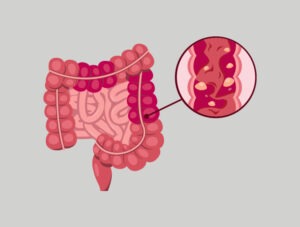
Understanding Intestinal Obstruction
Intestinal obstruction refers to partial or complete blockage of the intestine that prevents normal movement of digestive contents.
The blockage may occur in:
- Small intestine
- Large intestine (colon)
- Entire bowel pathway
Obstruction may be:
- Mechanical obstruction
- Functional obstruction
Mechanical obstruction occurs when something physically blocks the bowel.
Functional obstruction occurs when bowel movement stops due to muscle or nerve dysfunction.
Without proper treatment, intestinal obstruction can damage bowel tissue and become life-threatening.
Types of Intestinal Obstruction
Small Bowel Obstruction : Occurs in the small intestine and is one of the most common gastrointestinal emergencies.
Large Bowel Obstruction : Affects the colon and may occur due to tumors, twisting, or severe constipation.
Partial Intestinal Obstruction : Some intestinal contents still pass through the bowel.
Complete Intestinal Obstruction : No food, fluid, or gas can move through the intestine.
Strangulated Obstruction : Blood supply to the bowel becomes blocked, causing tissue death.
This is a surgical emergency.
Paralytic Ileus : The intestine stops moving normally without a physical blockage.
Common Causes of Intestinal Obstruction
Several medical and surgical conditions can block the intestines.
Abdominal Adhesions : Scar tissue after previous surgery is one of the leading causes.
Hernias : Trapped bowel inside hernias may become obstructed.
Tumors & Cancer : Cancer growth may narrow or block the intestine.
Intestinal Volvulus : Twisting of the intestine blocks blood supply and bowel movement.
Intussusception : Part of the intestine slides into another section, more common in children.
Severe Constipation : Hard stool accumulation may block bowel movement.
Inflammatory Bowel Disease : Chronic intestinal inflammation increases obstruction risk.
Postoperative Complications : Surgery-related swelling or adhesions may affect bowel function.
Symptoms of Intestinal Obstruction
Symptoms vary depending on obstruction severity and location.
Common symptoms include:
- Severe abdominal pain
- Cramping
- Abdominal swelling
- Vomiting
- Nausea
- Constipation
- Inability to pass gas
- Loss of appetite
- Fever
- Weakness
- Dehydration
- Rapid heartbeat
Symptoms often worsen progressively if untreated.

Warning Signs Requiring Immediate Emergency Care
Certain symptoms indicate severe bowel emergency.
Seek immediate medical attention if there is:
- Persistent severe abdominal pain
- Continuous vomiting
- Swollen abdomen
- Inability to pass stool or gas
- Fever with abdominal pain
- Blood in stool
- Breathing difficulty
- Severe weakness
- Confusion
- Sudden worsening abdominal symptoms
Delaying emergency care increases complication risk.
Complications of Untreated Intestinal Obstruction
Untreated obstruction can rapidly become life-threatening.
Intestinal Perforation : Pressure buildup may rupture the intestine.
Peritonitis : Leakage of bowel contents causes severe abdominal infection.
Sepsis : Infection spreads into the bloodstream.
Intestinal Ischemia : Blocked blood supply causes bowel tissue death.
Severe Dehydration : Persistent vomiting and fluid loss affect organ function.
Organ Failure : Severe infection and shock damage vital organs.
Death : Delayed treatment significantly increases mortality risk.
Diseases & Conditions Treated
The gastrointestinal emergency department at Apex Hospitals treats a wide range of bowel obstruction and abdominal emergency conditions.
Small Bowel Obstruction : Advanced diagnosis and surgical management of small intestine blockage.
Large Bowel Obstruction : Comprehensive treatment for colon obstruction and blockage.
Hernia-Related Obstruction : Emergency treatment for trapped and obstructed hernias.
Adhesion-Related Bowel Obstruction : Management of scar tissue-related intestinal blockage.
Intestinal Volvulus : Emergency treatment for twisted bowel conditions.
Paralytic Ileus : Treatment for bowel movement dysfunction without physical blockage.
Diagnosis & Advanced Facilities at Apex Hospitals
Rapid diagnosis is critical in intestinal obstruction management.
Emergency Clinical Evaluation
Specialists assess:
- Abdominal pain
- Distension
- Vomiting severity
- Bowel sounds
- Dehydration
- Infection signs
- Shock symptoms
Laboratory Investigations
Blood tests help evaluate:
- Infection
- Organ function
- Electrolyte imbalance
- Dehydration
- Nutritional status
Abdominal X-rays
X-rays help detect:
- Dilated bowel loops
- Gas accumulation
- Air-fluid levels
- Signs of perforation
Ultrasound Evaluation
Ultrasound supports abdominal assessment and fluid detection.
CT Scan Imaging
CT scans provide detailed evaluation of:
- Obstruction location
- Bowel damage
- Blood supply compromise
- Tumors or hernias
- Perforation risk
Continuous Critical Monitoring
Severe patients require ICU monitoring and emergency stabilization support.
Advanced Treatment Options for Intestinal Obstruction
Apex Hospitals provides modern emergency bowel obstruction management based on severity and cause.
Emergency Stabilization
Initial treatment focuses on:
- IV fluids
- Electrolyte correction
- Pain management
- Nasogastric decompression
- Infection control
- Oxygen support
Nasogastric Tube Decompression
A tube may be inserted through the nose into the stomach to:
- Relieve pressure
- Remove accumulated fluid
- Reduce vomiting
- Improve bowel decompression
Conservative Non-Surgical Management
Some partial obstructions improve with:
- Bowel rest
- IV fluids
- Monitoring
- Decompression
- Medical management
Close observation is essential.
Emergency Surgery
Surgery becomes necessary when there is:
- Complete obstruction
- Strangulation
- Perforation
- Tissue death
- Tumor blockage
- Failed conservative treatment
Laparoscopic Intestinal Surgery
Whenever clinically feasible, minimally invasive surgery offers:
- Smaller incisions
- Faster recovery
- Reduced pain
- Lower infection risk
- Shorter hospitalization
Bowel Resection Procedures
Damaged bowel segments may require surgical removal and reconstruction.
Hernia Repair Surgery
Obstructed hernias may require emergency surgical correction.
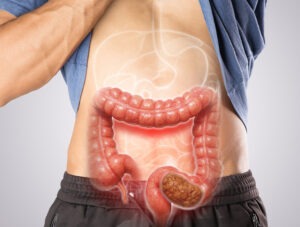
Strangulated Bowel Obstruction
This is one of the most dangerous forms of obstruction.
Blood supply to the intestine becomes blocked, leading to:
- Tissue death
- Perforation
- Severe infection
- Sepsis
Symptoms may include:
- Severe continuous pain
- Fever
- Rapid heartbeat
- Shock symptoms
Immediate surgery is often required.
Pediatric Intestinal Obstruction
Children may develop bowel obstruction due to:
- Intussusception
- Congenital abnormalities
- Hernias
- Intestinal twisting
Pediatric obstruction requires specialized evaluation and emergency treatment.
Nutritional Support & Recovery
Intestinal obstruction affects:
- Digestion
- Hydration
- Nutrition
- Electrolyte balance
Post-treatment nutritional care may involve:
- IV nutritional support
- Gradual oral feeding
- High-protein recovery diet
- Hydration management
- Digestive monitoring
Nutrition plays a major role in healing and bowel recovery.
Recovery After Intestinal Obstruction Treatment
Recovery depends on:
- Severity of obstruction
- Presence of infection
- Surgical complexity
- Timing of treatment
- Overall patient health
Postoperative care may include:
- ICU monitoring
- Pain management
- Wound care
- Drain management
- Antibiotic therapy
- Nutritional support
- Follow-up imaging
Early intervention significantly improves recovery outcomes.
Risk Factors for Intestinal Obstruction
Certain conditions increase obstruction risk.
Previous Abdominal Surgery : Scar tissue formation may block the intestine.
Hernias : Untreated hernias can trap bowel loops.
Colon Cancer : Tumors may narrow the bowel pathway.
Chronic Constipation : Severe stool buildup can obstruct bowel movement.
Inflammatory Bowel Disease : Inflammation increases narrowing and blockage risk.
Aging : Older adults have higher risk due to weaker bowel function and associated diseases.
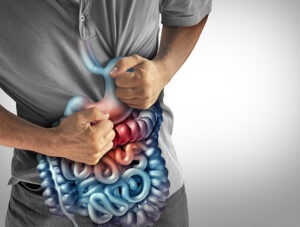
Prevention of Intestinal Obstruction
Some bowel obstruction causes are preventable through proper medical care.
Early Hernia Treatment : Delaying hernia surgery increases obstruction risk.
Timely Cancer Screening : Early detection prevents advanced bowel blockage.
Proper Postoperative Care : Reduces adhesion-related complications.
Hydration & Healthy Diet : Supports normal bowel movement and digestive health.
Prompt Medical Evaluation : Persistent abdominal symptoms should never be ignored.
Benefits of Early Emergency Treatment
Immediate medical intervention significantly improves outcomes.
Benefits include:
- Reduced bowel damage
- Lower perforation risk
- Better infection control
- Faster recovery
- Reduced ICU requirement
- Lower surgical complications
- Better digestive recovery
- Reduced mortality risk
Waiting worsens bowel injury and infection risk.
Advanced Intestinal Obstruction Care You Can Trust in Rajahmundry
- Apex Hospitals continues to provide advanced intestinal obstruction treatment and gastrointestinal emergency care with a strong commitment to rapid diagnosis, emergency intervention, surgical precision, bowel preservation, infection control, critical care support, and patient recovery.
- With experienced GI surgeons, advanced laparoscopic technology, modern ICU infrastructure, emergency readiness, and patient-focused care, the hospital remains a trusted destination for intestinal obstruction treatment in Rajahmundry.
- Whether you require emergency bowel obstruction management, laparoscopic surgery, hernia-related obstruction treatment, ICU care, bowel resection, or long-term digestive recovery support, Apex Hospitals is committed to delivering comprehensive and compassionate emergency treatment tailored to every patient’s needs.
Frequently Asked Questions (FAQs)
1. What is intestinal obstruction?
Intestinal obstruction is blockage of the intestine that prevents normal movement of food, fluids, and gas through the bowel.
2. Is intestinal obstruction a medical emergency?
Yes. Severe or complete bowel obstruction can become life-threatening without immediate treatment.
3. What causes intestinal obstruction?
Common causes include adhesions, hernias, tumors, constipation, intestinal twisting, and inflammatory bowel disease.
4. What are the symptoms of bowel obstruction?
Symptoms may include abdominal pain, vomiting, bloating, constipation, inability to pass gas, and abdominal swelling.
5. How is intestinal obstruction diagnosed?
Diagnosis may involve physical examination, blood tests, abdominal X-rays, ultrasound, and CT scans.
6. Does intestinal obstruction always require surgery?
No. Some partial obstructions improve with medical management, but severe cases require surgery.
7. What is strangulated bowel obstruction?
It occurs when blood supply to the intestine becomes blocked, leading to tissue death and emergency complications.
8. Can intestinal obstruction cause perforation?
Yes. Delayed treatment increases pressure inside the bowel and may lead to rupture and severe infection.
9. How long does recovery take after bowel obstruction surgery?
Recovery depends on obstruction severity, surgical complexity, infection risk, and overall health condition.
10. Why should I choose Apex Hospitals for intestinal obstruction treatment?
Apex Hospitals offers experienced GI surgeons, emergency surgical care, advanced laparoscopic treatment, ICU support, bowel preservation strategies, and comprehensive postoperative recovery services under one roof.
Get in Touch
For any questions fill out our form

Make
Appointment
&
Take Care Of Your
Healthy Life