
Diabetes
Varicose Veins
Piles
Fissure
Fistula
Pilonidal sinus
Circumcision
Hernia
Hydrocele
Hysterectomy
Gynaecomastia
Lipoma
Sebaceous cyst
Diabetes
Diabetic foot
Gastric ulcer
Appendicitis
Thyroid surgery
Burns
Trauma & Accident care
Intestinal perforation
Intestinal obstruction
DVT
Gallstone
Metabolic and Bariatric
Best Diabetes Treatment Hospital in Rajahmundry
- Advanced diagnosis and treatment for Type 1, Type 2, and gestational diabetes
- Experienced diabetologists, endocrinologists, and internal medicine specialists
- Comprehensive diabetes care focused on long-term blood sugar control and complication prevention
- Advanced diabetic screening, monitoring, and metabolic management facilities
- State-of-the-art diagnostic and laboratory services
- Personalized treatment plans for lifestyle management and diabetic care
- 24/7 emergency support for diabetic emergencies and complications
- Specialized diabetic foot care and wound management services
- Integrated nutrition counseling, insulin management, and preventive healthcare
- Compassionate, patient-focused, and affordable diabetes treatment
- Modern infrastructure with multidisciplinary medical support
- Long-term monitoring programs for diabetes-related complications
Apex Hospitals is one of the trusted healthcare destinations for advanced diabetes treatment and metabolic care in Rajahmundry. The hospital provides comprehensive diagnosis, medical management, emergency care, lifestyle counseling, and long-term monitoring for diabetes and related metabolic disorders with a strong focus on patient safety, complication prevention, and improved quality of life.
Diabetes is not just “high sugar.” That misunderstanding is one of the biggest reasons patients end up with kidney failure, heart disease, nerve damage, blindness, diabetic foot ulcers, and stroke. Diabetes is a chronic metabolic disorder that affects how the body processes glucose. When blood sugar levels remain uncontrolled for years, damage silently develops inside blood vessels, nerves, kidneys, eyes, and vital organs.
Many patients ignore early symptoms or depend on random medication without proper monitoring. Some stop treatment once sugar levels temporarily improve. Others continue unhealthy eating habits while expecting medicines alone to fix the problem. That approach eventually leads to complications. Diabetes management requires long-term discipline, regular monitoring, medical supervision, lifestyle control, and preventive care.
At Apex Hospitals, patients receive evidence-based diabetes treatment supported by experienced diabetologists, endocrinologists, physicians, nutritionists, and critical care specialists. The hospital focuses on early diagnosis, accurate metabolic assessment, personalized treatment planning, and long-term diabetes control to reduce complications and improve patient outcomes.
The diabetes treatment program at Apex Hospitals covers:
- Type 1 diabetes
- Type 2 diabetes
- Gestational diabetes
- Prediabetes
- Uncontrolled diabetes
- Diabetic foot complications
- Diabetic neuropathy
- Diabetic kidney disease
- Diabetes-related hypertension
- Obesity-related metabolic disorders
- Insulin management
- Diabetes prevention and lifestyle counseling
As one of the advanced diabetes and metabolic care centers in Rajahmundry, Apex Hospitals combines modern medical expertise with patient-centered care to provide complete diabetes management under one roof. The hospital emphasizes early diagnosis, preventive care, lifestyle modification, complication screening, and long-term metabolic health support.
The diabetes specialists at Apex Hospitals work closely with cardiologists, nephrologists, ophthalmologists, vascular surgeons, dieticians, physiotherapists, and critical care experts to ensure coordinated and comprehensive treatment for every patient. Whether patients require blood sugar monitoring, insulin therapy, diabetic wound care, emergency treatment, or long-term diabetes management, Apex Hospitals delivers comprehensive care with clinical precision and compassionate support.
Why Choose Apex Hospitals for Diabetes Treatment
At Apex Hospitals, diabetes management focuses on accurate diagnosis, blood sugar control, complication prevention, lifestyle improvement, and long-term patient wellness. The hospital combines experienced specialists, modern technology, and personalized care to ensure effective diabetes treatment outcomes.
Experienced Diabetologists & Endocrinologists : The hospital is supported by highly experienced diabetes specialists trained in managing simple to complex metabolic disorders and diabetes-related complications.
Advanced Diagnostic Facilities : Modern diagnostic systems support:
- Accurate blood sugar evaluation
- HbA1c monitoring
- Kidney function assessment
- Diabetic complication screening
- Hormonal evaluation
- Cardiovascular risk assessment
Comprehensive Diabetes Care : Apex Hospitals provides complete diagnosis and treatment for:
- Type 1 diabetes
- Type 2 diabetes
- Gestational diabetes
- Prediabetes
- Diabetic foot ulcers
- Metabolic syndrome
- Obesity-related diabetes
- Diabetic kidney disease
Personalized Treatment Plans : Every patient receives individualized care based on:
- Blood sugar levels
- Age and health condition
- Lifestyle habits
- Weight and metabolic profile
- Presence of complications
- Nutritional requirements
- Physical activity levels
24/7 Emergency Diabetic Care : Emergency support is available for:
- Severe hyperglycemia
- Hypoglycemia
- Diabetic ketoacidosis
- Diabetic infections
- Sudden metabolic complications
Modern Medical Infrastructure : The hospital is equipped with advanced laboratories, intensive care facilities, emergency care units, diabetic foot care support, and modern monitoring systems.
Affordable & Accessible Diabetes Care : Apex Hospitals believes long-term diabetes care should remain affordable and accessible without compromising treatment quality.
Our Expert Diabetes & Endocrinology Team
The diabetes treatment department at Apex Hospitals is supported by experienced diabetologists, endocrinologists, physicians, nutritionists, nephrologists, cardiologists, ophthalmologists, nurses, and rehabilitation professionals dedicated to delivering advanced diabetes care.
The team focuses on:
- Accurate diagnosis
- Blood sugar control
- Complication prevention
- Long-term metabolic management
- Lifestyle improvement
- Emergency diabetic care
- Patient education and awareness
- Continuous monitoring and follow-up
Through coordinated multidisciplinary care, patients receive complete diabetes management under one roof.
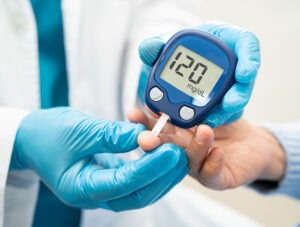
Understanding Diabetes
Diabetes is a chronic condition in which the body cannot properly regulate blood sugar levels due to insufficient insulin production or ineffective insulin use.
Insulin is a hormone produced by the pancreas that helps glucose enter body cells for energy production.
When insulin function becomes abnormal:
- Blood sugar levels rise
- Glucose accumulates in the bloodstream
- Organ damage gradually develops
Diabetes affects:
- Heart
- Kidneys
- Eyes
- Brain
- Blood vessels
- Nerves
- Skin
- Feet
The disease progresses silently for years if not properly controlled.
Types of Diabetes
Type 1 Diabetes
An autoimmune condition where the pancreas produces little or no insulin. Commonly diagnosed in children and young adults.
Type 2 Diabetes
The most common form of diabetes caused by insulin resistance and reduced insulin effectiveness.
Gestational Diabetes
Diabetes developing during pregnancy due to hormonal changes affecting blood sugar control.
Prediabetes
A condition where blood sugar levels are higher than normal but not high enough to be classified as diabetes.
Common Causes of Diabetes
Several factors contribute to diabetes development.
Obesity : Excess body weight increases insulin resistance.
Sedentary Lifestyle : Lack of physical activity affects glucose metabolism.
Unhealthy Diet : Excess sugar, processed food, and unhealthy eating habits increase diabetes risk.
Family History : Genetic factors significantly influence diabetes development.
Hormonal Disorders : Hormonal imbalance may affect insulin function.
Stress : Chronic stress influences blood sugar regulation.
Aging : Risk of Type 2 diabetes increases with age.
Symptoms of Diabetes
Early symptoms are often ignored until complications develop.
Common symptoms include:
- Excessive thirst
- Frequent urination
- Increased hunger
- Unexplained weight loss
- Fatigue
- Blurred vision
- Slow wound healing
- Recurrent infections
- Numbness in hands and feet
- Dry skin
- Frequent fungal infections
Ignoring these symptoms leads to long-term complications.

Risk Factors for Diabetes
Certain individuals are at higher risk.
High-risk groups include:
- Obese individuals
- People above 40 years
- Individuals with family history of diabetes
- Patients with hypertension
- Physically inactive individuals
- Women with gestational diabetes history
- Patients with high cholesterol
- Individuals with poor dietary habits
Early screening is critical for high-risk populations.
Complications of Uncontrolled Diabetes
Uncontrolled diabetes damages multiple organs over time.
Heart Disease : Diabetes significantly increases heart attack and stroke risk.
Kidney Failure : Long-term diabetes damages kidney blood vessels leading to chronic kidney disease.
Diabetic Neuropathy : Nerve damage causes numbness, burning pain, and loss of sensation.
Eye Damage : Diabetic retinopathy may lead to vision loss and blindness.
Diabetic Foot Ulcers : Poor circulation and nerve damage increase risk of foot wounds and amputation.
High Blood Pressure : Diabetes commonly coexists with hypertension.
Delayed Wound Healing : Poor blood sugar control slows tissue healing.
Increased Infection Risk : Diabetic patients are more vulnerable to infections.
Diseases & Conditions Treated
The diabetes department at Apex Hospitals treats a wide range of metabolic and endocrine disorders.
Type 1 Diabetes : Comprehensive insulin management and long-term diabetic care.
Type 2 Diabetes : Advanced blood sugar management and metabolic treatment.
Gestational Diabetes : Specialized pregnancy-related diabetes care.
Diabetic Foot Disorders : Advanced wound care and infection management.
Diabetic Neuropathy : Evaluation and treatment for nerve-related complications.
Obesity & Metabolic Syndrome :Integrated treatment for obesity-related diabetes risk.
Hypertension with Diabetes : Comprehensive cardiovascular risk management.
Diagnosis & Advanced Facilities at Apex Hospitals
Accurate diagnosis is essential for long-term diabetes control. Apex Hospitals provides comprehensive evaluation using advanced diagnostic facilities.
Blood Sugar Testing : Routine blood sugar tests help evaluate glucose levels.
HbA1c Testing : HbA1c reflects average blood sugar control over the previous 2–3 months.
Kidney Function Tests : Assessment helps detect diabetic kidney complications early.
Lipid Profile : Cholesterol and triglyceride levels are evaluated for cardiovascular risk assessment.
Urine Examination : Urine tests help identify kidney damage and infection.
Diabetic Foot Evaluation : Specialized assessment for:
- Nerve damage
- Foot ulcers
- Poor circulation
- Infection risk
Eye Screening : Diabetic eye examinations help detect retinal damage early.
Advanced Diabetes Treatment Options
Apex Hospitals provides modern medical treatment based on patient condition and metabolic status.
Lifestyle Modification Programs
Lifestyle management is essential for long-term diabetes control.
Programs include:
- Weight management
- Dietary planning
- Exercise guidance
- Stress reduction support
- Sleep improvement strategies
Oral Diabetes Medications
Different medications help:
- Improve insulin sensitivity
- Reduce glucose production
- Increase insulin release
- Control blood sugar levels
Insulin Therapy
Insulin treatment may be necessary for:
- Type 1 diabetes
- Advanced Type 2 diabetes
- Gestational diabetes
- Emergency diabetic conditions
Continuous Blood Sugar Monitoring
Regular glucose monitoring helps prevent complications and improve treatment adjustments.
Diabetic Foot Care
Specialized diabetic wound care includes:
- Infection control
- Dressing support
- Ulcer treatment
- Circulation assessment
- Preventive foot care

Preventive Diabetes Care & Lifestyle Management
Prevention and discipline are critical in diabetes management.
Healthy Diet : Balanced nutrition significantly improves blood sugar control.
Regular Exercise : Physical activity improves insulin sensitivity and weight control.
Weight Management : Reducing excess weight lowers diabetes risk and improves metabolic health.
Avoid Smoking & Alcohol Abuse : Smoking and excessive alcohol worsen diabetic complications.
Routine Monitoring : Regular testing helps prevent silent organ damage.
Medication Compliance : Skipping medicines or irregular treatment worsens long-term outcomes.
Stress Management : Stress affects hormones and blood sugar levels.
Benefits of Early Diabetes Treatment
Early diagnosis and proper management provide several important benefits.
Benefits include:
- Better blood sugar control
- Reduced complication risk
- Improved energy levels
- Prevention of kidney damage
- Reduced heart disease risk
- Better wound healing
- Improved quality of life
- Longer healthy lifespan
Delaying treatment increases long-term organ damage and medical complications.
Recovery & Long-Term Diabetes Management
Diabetes requires lifelong monitoring and consistent management.
Long-term care includes:
- Regular blood sugar monitoring
- Medication adjustment
- Dietary counseling
- Exercise support
- Kidney and eye screening
- Foot care monitoring
- Cardiovascular risk management
- Routine specialist follow-up
Patients who consistently follow medical advice achieve significantly better long-term health outcomes.
Advanced Diabetes Care You Can Trust in Rajahmundry
- Apex Hospitals continues to provide advanced diabetes treatment and metabolic care with a strong commitment to patient safety, long-term blood sugar control, complication prevention, and improved quality of life.
- With experienced diabetologists, advanced diagnostic technology, modern infrastructure, and patient-focused care, the hospital remains a trusted destination for diabetes treatment in Rajahmundry.
- Whether you require routine diabetes monitoring, insulin therapy, diabetic foot care, emergency diabetic management, or long-term metabolic treatment, Apex Hospitals is committed to delivering comprehensive and compassionate healthcare tailored to every patient’s needs.
Frequently Asked Questions (FAQs)
1. What is diabetes?
Diabetes is a chronic condition where the body cannot properly regulate blood sugar levels due to insulin-related problems.
2. What are the main types of diabetes?
The main types are Type 1 diabetes, Type 2 diabetes, gestational diabetes, and prediabetes.
3. What causes diabetes?
Common causes include obesity, sedentary lifestyle, unhealthy diet, genetics, hormonal disorders, and insulin resistance.
4. What are the early symptoms of diabetes?
Symptoms include excessive thirst, frequent urination, fatigue, blurred vision, increased hunger, and slow wound healing.
5. Can diabetes be cured?
Diabetes is usually managed long-term through lifestyle changes, medication, insulin therapy, and regular monitoring.
6. Why is diabetes dangerous if untreated?
Uncontrolled diabetes may lead to heart disease, kidney failure, nerve damage, blindness, stroke, and diabetic foot complications.
7. What tests are used to diagnose diabetes?
Common tests include fasting blood sugar, HbA1c, post-meal glucose testing, and urine examination.
8. How can diabetes be prevented?
Healthy eating, exercise, weight management, regular screening, and avoiding unhealthy lifestyle habits help reduce diabetes risk.
9. What foods should diabetic patients avoid?
Patients should limit excess sugar, processed foods, sugary drinks, refined carbohydrates, and unhealthy fats.
10. Why should I choose Apex Hospitals for diabetes treatment?
Apex Hospitals offers experienced diabetologists, advanced diagnostics, personalized treatment plans, diabetic complication care, and comprehensive long-term diabetes management under one roof.
Get in Touch
For any questions fill out our form

Make
Appointment
&
Take Care Of Your
Healthy Life