
Hysterectomy
Varicose Veins
Piles
Fissure
Fistula
Pilonidal sinus
Circumcision
Hernia
Hydrocele
Hysterectomy
Gynaecomastia
Lipoma
Sebaceous cyst
Diabetes
Diabetic foot
Gastric ulcer
Appendicitis
Thyroid surgery
Burns
Trauma & Accident care
Intestinal perforation
Intestinal obstruction
DVT
Gallstone
Metabolic and Bariatric
Best Hysterectomy Surgery Hospital in Rajahmundry
- Advanced diagnosis and treatment for uterine and gynecological conditions
- Experienced gynecologists and minimally invasive laparoscopic surgeons
- Comprehensive care for fibroids, abnormal bleeding, endometriosis, and uterine disorders
- Advanced laparoscopic and minimally invasive hysterectomy procedures
- State-of-the-art gynecology and surgical facilities
- Personalized treatment plans focused on women’s long-term health and recovery
- 24/7 emergency gynecological and surgical support
- Modern operation theatres with advanced laparoscopic technology
- Compassionate, confidential, and patient-focused women’s healthcare
- Specialized postoperative rehabilitation and hormonal health support
- Reduced pain, smaller incisions, and faster recovery with minimally invasive surgery
- Integrated gynecology, critical care, and diagnostic services under one roof
Apex Hospitals is one of the trusted healthcare destinations for advanced hysterectomy surgery and comprehensive gynecological care in Rajahmundry. The hospital provides complete diagnosis, medical management, minimally invasive procedures, and surgical treatment for a wide range of uterine and gynecological conditions with a strong focus on patient safety, faster recovery, women’s health, and long-term quality of life.
A hysterectomy is a surgical procedure performed to remove the uterus. Depending on the medical condition, surgery may also involve removal of the cervix, ovaries, fallopian tubes, or surrounding reproductive structures. Hysterectomy is commonly recommended for conditions such as uterine fibroids, heavy menstrual bleeding, chronic pelvic pain, endometriosis, adenomyosis, uterine prolapse, gynecological cancers, and severe infections.
Many women delay treatment because they fear surgery, hormonal changes, or long recovery periods. Others continue suffering from chronic pain, excessive bleeding, anemia, weakness, and reduced quality of life for years before seeking proper medical care. Ignoring serious gynecological symptoms is a mistake. Persistent uterine conditions can worsen over time and significantly affect physical health, emotional well-being, reproductive health, and daily functioning.
At Apex Hospitals, patients receive evidence-based hysterectomy treatment supported by experienced gynecologists, advanced laparoscopic technology, modern diagnostic facilities, and individualized care plans. The hospital focuses on minimally invasive hysterectomy procedures that reduce pain, minimize bleeding, shorten hospital stay, improve healing, and help women return to normal life faster.
The hysterectomy treatment program at Apex Hospitals covers:
- Total hysterectomy
- Partial hysterectomy
- Laparoscopic hysterectomy
- Abdominal hysterectomy
- Vaginal hysterectomy
- Robotic-assisted gynecological procedures
- Fibroid-related hysterectomy
- Endometriosis surgery
- Adenomyosis treatment
- Uterine prolapse surgery
- Gynecological cancer-related surgery
- Emergency hysterectomy procedures
As one of the advanced women’s healthcare and gynecological surgery centers in Rajahmundry, Apex Hospitals combines modern surgical expertise with patient-centered care to provide complete hysterectomy management under one roof. The hospital emphasizes accurate diagnosis, minimally invasive surgery, hormonal evaluation, postoperative rehabilitation, and long-term women’s health support.
The gynecology specialists at Apex Hospitals work closely with anesthesiologists, radiologists, oncologists, endocrinologists, critical care experts, nurses, and rehabilitation professionals to ensure safe surgery and smooth recovery for every patient. Whether patients require laparoscopic hysterectomy, fibroid surgery, cancer-related gynecological procedures, or emergency uterine surgery, Apex Hospitals delivers comprehensive care with clinical precision and compassionate support.
Why Choose Apex Hospitals for Hysterectomy Surgery
At Apex Hospitals, hysterectomy treatment is focused on accurate diagnosis, minimally invasive surgery, women’s safety, faster recovery, and long-term gynecological health. The hospital combines experienced specialists, modern technology, and patient-focused care to ensure safe and effective treatment outcomes.
Experienced Gynecologists & Laparoscopic Surgeons
The gynecology department is supported by highly experienced specialists trained in advanced hysterectomy procedures and minimally invasive gynecological surgery.
Advanced Laparoscopic Hysterectomy
Minimally invasive hysterectomy offers several advantages:
- Smaller incisions
- Reduced pain
- Less bleeding
- Faster recovery
- Reduced infection risk
- Minimal scarring
- Shorter hospital stay
- Faster return to normal activities
This modern approach significantly improves patient comfort and postoperative recovery.
Comprehensive Women’s Healthcare
Apex Hospitals provides complete diagnosis and treatment for:
- Fibroids
- Heavy menstrual bleeding
- Endometriosis
- Adenomyosis
- Uterine prolapse
- Ovarian disorders
- Chronic pelvic pain
- Gynecological cancers
Personalized Treatment Plans
Every patient receives individualized care based on:
- Age and medical condition
- Severity of symptoms
- Reproductive history
- Hormonal health
- Presence of associated disorders
- Surgical risk factors
- Long-term health goals
24/7 Emergency Gynecological Support
Emergency care teams are available round the clock for:
- Severe uterine bleeding
- Pelvic infection
- Obstetric emergencies
- Acute pelvic pain
- Emergency hysterectomy situations
Modern Surgical Infrastructure
The hospital is equipped with advanced operation theatres, laparoscopic systems, intensive care units, recovery facilities, and modern surgical monitoring technology.
Affordable & Accessible Surgical Care
Apex Hospitals believes advanced gynecological surgery should remain affordable and accessible without compromising patient safety or treatment quality.
Our Expert Gynecology & Surgical Team
The hysterectomy treatment department at Apex Hospitals is supported by experienced gynecologists, laparoscopic surgeons, anesthesiologists, oncologists, nurses, physiotherapists, and rehabilitation professionals dedicated to delivering advanced women’s healthcare.
The team focuses on:
- Accurate diagnosis
- Safe surgery
- Minimally invasive treatment
- Faster recovery
- Long-term women’s health
- Hormonal wellness support
- Emotional and physical well-being
- Patient comfort and safety
Through coordinated multidisciplinary care, patients receive complete gynecological treatment under one roof.

Understanding Hysterectomy
A hysterectomy is a surgical procedure involving removal of the uterus. Depending on the patient’s condition, surgery may also involve:
- Removal of the cervix
- Removal of ovaries
- Removal of fallopian tubes
- Treatment of surrounding pelvic tissues
After hysterectomy, menstrual periods stop permanently and pregnancy is no longer possible.
The procedure may be recommended for:
- Benign gynecological disorders
- Severe uterine disease
- Chronic pain conditions
- Cancer-related conditions
- Life-threatening bleeding or infection
Modern hysterectomy procedures are safer, less invasive, and associated with faster recovery compared to traditional surgical methods.
Common Conditions Requiring Hysterectomy
Several gynecological conditions may require hysterectomy surgery.
Uterine Fibroids
Fibroids are non-cancerous growths in the uterus that may cause:
- Heavy bleeding
- Pelvic pain
- Pressure symptoms
- Frequent urination
- Abdominal swelling
Large or multiple fibroids often require surgical treatment.
Abnormal Uterine Bleeding
Excessive or prolonged bleeding can lead to:
- Anemia
- Weakness
- Fatigue
- Reduced quality of life
Endometriosis
Endometrial tissue growing outside the uterus may cause:
- Severe pelvic pain
- Painful periods
- Infertility
- Chronic inflammation
Adenomyosis
This condition occurs when uterine lining tissue grows into the muscular wall of the uterus causing severe pain and heavy bleeding.
Uterine Prolapse
Weak pelvic muscles may allow the uterus to descend into the vaginal canal causing discomfort and urinary symptoms.
Gynecological Cancer
Hysterectomy may be necessary for cancers affecting:
- Uterus
- Cervix
- Ovaries
- Endometrium
Chronic Pelvic Pain
Persistent pelvic pain unresponsive to medical treatment may require surgical management.
Symptoms That May Require Gynecological Evaluation
Many women ignore symptoms for years before seeking treatment. That delay often worsens the condition.
Common warning signs include:
- Heavy menstrual bleeding
- Irregular bleeding
- Severe pelvic pain
- Pain during intercourse
- Pelvic pressure
- Abdominal swelling
- Chronic fatigue due to anemia
- Frequent urination
- Painful periods
- Postmenopausal bleeding
Persistent symptoms should never be ignored.
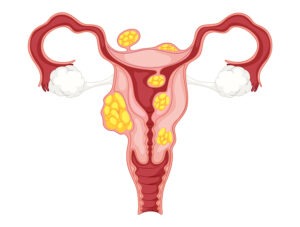
Types of Hysterectomy
Total Hysterectomy : Removal of both the uterus and cervix.
Partial Hysterectomy : Removal of the uterus while preserving the cervix.
Radical Hysterectomy : Extensive surgery involving removal of the uterus, cervix, surrounding tissues, and part of the vagina, commonly performed for cancer treatment.
Hysterectomy with Oophorectomy : Removal of the uterus along with one or both ovaries.
Surgical Approaches for Hysterectomy
Laparoscopic Hysterectomy : A minimally invasive procedure using small incisions and camera-guided instruments.
Vaginal Hysterectomy : The uterus is removed through the vaginal canal without abdominal incisions.
Abdominal Hysterectomy : Traditional open surgery using a larger abdominal incision.
Robotic-Assisted Surgery :Advanced robotic systems improve precision in selected complex procedures.
Risk Factors for Uterine Disorders
Certain factors increase the likelihood of requiring hysterectomy.
High-risk groups include:
- Women over 40
- Obese individuals
- Women with hormonal imbalance
- Patients with family history of fibroids
- Women with chronic pelvic infections
- Patients with endometriosis
- Women with abnormal menstrual cycles
- Patients with uncontrolled diabetes or hypertension
Early diagnosis significantly improves treatment outcomes.
Complications of Untreated Gynecological Disorders
Ignoring uterine and pelvic disorders may lead to serious complications.
Severe Anemia : Heavy bleeding may cause dangerous reduction in blood levels.
Chronic Pain : Untreated pelvic disease often leads to persistent pain and reduced daily functioning.
Infertility : Certain uterine conditions affect reproductive health.
Pelvic Organ Damage : Progressive disease may affect bladder, bowel, and pelvic structures.
Infection Risk : Untreated gynecological disorders may lead to severe pelvic infection.
Cancer Progression : Delayed diagnosis of cancer-related conditions worsens treatment outcomes.
Diseases & Conditions Treated
The gynecology department at Apex Hospitals treats a wide range of uterine and pelvic disorders.
Fibroids : Advanced surgical management for symptomatic uterine fibroids.
Endometriosis : Comprehensive treatment for severe endometriosis and chronic pelvic pain.
Adenomyosis : Specialized care for painful uterine muscle disorders.
Uterine Prolapse : Pelvic floor repair and prolapse correction procedures.
Gynecological Cancers : Advanced surgical and oncological care for reproductive system cancers.
Abnormal Uterine Bleeding : Diagnosis and treatment for severe menstrual disorders.
Diagnosis & Advanced Facilities at Apex Hospitals
Accurate diagnosis is essential before hysterectomy surgery. Apex Hospitals provides comprehensive evaluation using modern gynecology facilities.
Clinical Gynecological Examination
Specialists assess:
- Pelvic pain
- Uterine enlargement
- Bleeding patterns
- Pelvic organ prolapse
- Abdominal swelling
Ultrasound Imaging
Ultrasound helps identify:
- Fibroids
- Ovarian cysts
- Uterine abnormalities
- Endometrial thickening
MRI & Advanced Imaging
Advanced imaging may be recommended for:
- Complex fibroids
- Deep endometriosis
- Cancer evaluation
- Pelvic structural abnormalities
Laboratory Investigations
Blood tests evaluate:
- Hemoglobin levels
- Hormonal status
- Infection markers
- Diabetes and overall health
Endometrial Evaluation
Biopsy or tissue assessment may be necessary in cases of abnormal bleeding or suspected cancer.
Advanced Hysterectomy Treatment Options
Apex Hospitals provides modern surgical treatment based on patient condition and disease severity.
Laparoscopic Hysterectomy : One of the most advanced minimally invasive procedures available.
Benefits include:
- Smaller incisions
- Less pain
- Reduced bleeding
- Faster healing
- Reduced hospital stay
- Minimal scarring
- Faster recovery
Vaginal Hysterectomy : A scar-free surgical approach commonly recommended for uterine prolapse and selected gynecological conditions.
Abdominal Hysterectomy : Traditional surgery may be necessary for
- Very large fibroids
- Complex cancer surgery
- Severe pelvic adhesions
- Emergency procedures
Cancer-Related Gynecological Surgery : Comprehensive surgical oncology support is available for reproductive system cancers.
Benefits of Early Hysterectomy Treatment
Early surgical intervention provides several important advantages.
Benefits include:
- Relief from chronic pain
- Control of heavy bleeding
- Prevention of severe anemia
- Improved quality of life
- Reduced disease progression
- Faster recovery in early-stage disease
- Reduced emergency surgery risk
- Better long-term women’s health outcomes
Delaying treatment often increases complications and surgical complexity.
Preventive Care & Women’s Health Management
Long-term women’s health support is an important part of treatment.
Routine Gynecological Checkups : Regular screening helps detect uterine disorders early.
Hormonal Health Monitoring : Proper hormonal evaluation improves long-term health outcomes.
Weight Management : Healthy body weight reduces risk of several gynecological disorders.
Physical Activity : Regular exercise supports pelvic and hormonal health.
Timely Treatment of Symptoms : Early medical care prevents progression of uterine disease.
Follow Postoperative Instructions : Proper recovery care improves healing and reduces complications.
Recovery & Postoperative Care
Recovery depends on the type of hysterectomy and surgical approach performed.
Post-treatment care may include:
- Pain management
- Wound care support
- Early mobilization
- Hormonal counseling
- Nutritional guidance
- Physiotherapy support
- Follow-up consultations
- Emotional wellness support
Minimally invasive procedures generally allow quicker recovery and earlier return to daily activities.
Advanced Women’s Healthcare You Can Trust in Rajahmundry
- Apex Hospitals continues to provide advanced hysterectomy surgery and comprehensive gynecological care with a strong commitment to patient safety, minimally invasive procedures, faster recovery, and long-term women’s wellness.
- With experienced gynecologists, advanced laparoscopic technology, modern infrastructure, emergency surgical support, and patient-focused care, the hospital remains a trusted destination for hysterectomy treatment in Rajahmundry.
- Whether you require laparoscopic hysterectomy, fibroid surgery, treatment for endometriosis, uterine prolapse correction, or cancer-related gynecological surgery, Apex Hospitals is committed to delivering comprehensive and compassionate care tailored to every woman’s healthcare needs.
Frequently Asked Questions (FAQs)
1. What is a hysterectomy?
A hysterectomy is a surgical procedure performed to remove the uterus.
2. Why is hysterectomy performed?
It is commonly recommended for fibroids, heavy bleeding, endometriosis, adenomyosis, prolapse, chronic pelvic pain, and gynecological cancers.
3. What are the types of hysterectomy?
Types include total hysterectomy, partial hysterectomy, radical hysterectomy, and hysterectomy with ovary removal.
4. Is laparoscopic hysterectomy safe?
Yes. Laparoscopic hysterectomy is a safe minimally invasive procedure offering faster recovery and reduced pain.
5. How long does recovery take after hysterectomy?
Recovery depends on the surgical method, but minimally invasive procedures usually allow faster healing.
6. Will periods stop after hysterectomy?
Yes. Menstrual periods stop permanently after removal of the uterus.
7. Can pregnancy occur after hysterectomy?
No. Pregnancy is not possible after the uterus is removed.
8. What are the benefits of minimally invasive hysterectomy?
Benefits include smaller incisions, less pain, reduced bleeding, minimal scarring, and quicker recovery.
9. What symptoms indicate the need for gynecological evaluation?
Heavy bleeding, pelvic pain, irregular periods, abdominal swelling, painful periods, and postmenopausal bleeding require medical evaluation.
10. Why should I choose Apex Hospitals for hysterectomy surgery?
Apex Hospitals offers experienced gynecologists, advanced laparoscopic technology, personalized women’s healthcare, modern infrastructure, and comprehensive surgical treatment under one roof.
Get in Touch
For any questions fill out our form

Make
Appointment
&
Take Care Of Your
Healthy Life