
What Happens If Gallstones Are Left Untreated
- 3 hours ago
- 5 min read
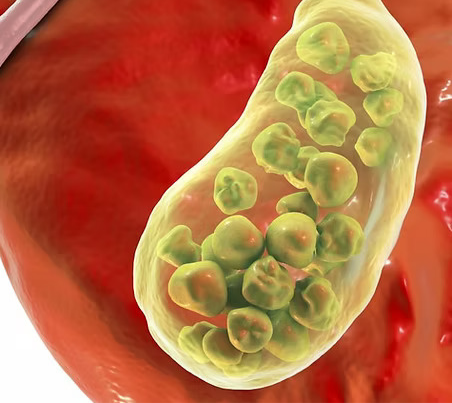
Gallstones are often described as a “common” digestive problem, but the word common sometimes makes people underestimate how serious they can become. Many individuals live with gallstones for months or even years because the symptoms come and go. A short episode of stomach pain after eating spicy or oily food is frequently dismissed as acidity or indigestion. Painkillers may temporarily settle the discomfort, giving the illusion that the problem has resolved. In reality, the stones remain inside the gallbladder and continue to cause damage slowly.
Understanding what happens if gallstones are left untreated is extremely important. The condition rarely improves on its own. Instead, it tends to progress from mild discomfort to repeated attacks, infection, and in some cases life-threatening complications. Early evaluation and proper gallstone treatment solutions in Rajahmundry can prevent most of these outcomes.
How Gallstones Form
The gallbladder sits below the liver and stores bile, a fluid essential for digesting fats. Bile contains cholesterol, bile salts, and pigments. When the balance among these components changes, crystals begin forming. Over time, these crystals grow into solid stones.
Some stones are tiny like grains of sand, while others become as large as marbles. A person may have one large stone or dozens of smaller ones. The real problem begins when a stone blocks the narrow outlet through which bile leaves the gallbladder.
The gallbladder contracts every time you eat, especially after fatty meals. If a stone blocks the outlet during contraction, pressure builds inside the organ. That pressure is what causes the characteristic pain of gallstones.
Why Symptoms Are Often Ignored
In the early stage, gallstone pain does not last forever. The stone may move away from the duct and the pain disappears completely. After a few hours, the person feels normal again. Because the attack settles naturally, many people assume it was simply gastritis.
This pattern repeats. Weeks pass without symptoms, and then another painful episode occurs. Over time, patients begin to tolerate the attacks rather than seek treatment. Unfortunately, each attack causes inflammation, and repeated inflammation slowly damages the gallbladder.
The First Warning: Recurrent Pain Attacks
The earliest consequence of untreated gallstones is repeated biliary colic. This is a sudden, gripping pain in the upper right abdomen. It usually begins after meals and may spread to the back or shoulder blade. The pain often appears at night and can last from thirty minutes to several hours.
At this stage the condition is still reversible with planned treatment. However, ignoring repeated attacks allows stones to grow larger and increases the chance of a permanent blockage.
People frequently start avoiding certain foods to prevent pain. They skip meals, eat less, or live in fear of attacks. This reduces quality of life but does not stop the disease from progressing.
Gallbladder Infection (Acute Cholecystitis)
If a stone becomes stuck and does not move, bile cannot leave the gallbladder. Trapped bile becomes infected by bacteria. The gallbladder wall swells, thickens, and fills with pus. This condition is called acute cholecystitis.
The pain now becomes constant rather than occasional. Fever develops, and even small movements cause discomfort. The abdomen becomes tender to touch. Nausea and vomiting are common, and eating becomes difficult.
At this point, hospitalization is usually required. Antibiotics alone cannot permanently solve the problem because the stone remains inside. Without proper treatment, the infection can spread to the bloodstream, leading to sepsis.
Blockage of the Main Bile Duct
Gallstones do not always stay inside the gallbladder. Sometimes they travel into the main bile duct that carries bile from the liver to the intestine. When this duct becomes blocked, bile accumulates in the liver and leaks into the bloodstream.
This leads to jaundice. The eyes and skin turn yellow, urine becomes dark, and stools become pale. Patients also complain of intense itching and fatigue.
This condition damages liver cells over time. If the blockage continues, infection can develop inside the bile ducts, causing high fever and severe illness. This complication requires urgent treatment and sometimes emergency procedures to remove the stone.
Pancreatitis: A Dangerous Turn
One of the most serious complications occurs when a gallstone blocks the pancreatic duct. The pancreas releases enzymes that digest food, but when blocked, these enzymes attack the pancreas itself.
This leads to acute pancreatitis. The pain is severe and spreads across the entire upper abdomen. Vomiting becomes continuous, and the patient feels extremely weak. Hospital admission becomes unavoidable.
Pancreatitis may resolve with treatment, but severe cases can affect breathing, kidneys, and heart function. Some patients require intensive care. Many people who develop this complication had earlier gallstone symptoms that were ignored.
Long-Term Damage from Chronic Gallstones
Not all complications happen suddenly. In some individuals, untreated gallstones cause continuous low-grade inflammation. The gallbladder gradually loses its elasticity and becomes scarred. Doctors refer to this as a contracted or non-functioning gallbladder.
Digestive problems then become permanent. The body struggles to process fatty foods, leading to bloating and discomfort after every meal. Patients begin to experience chronic acidity, irregular bowel habits, and fatigue due to poor absorption of nutrients.
Long-standing inflammation also increases the risk of gallbladder cancer, a rare but serious disease often detected late.
Why Waiting Makes Surgery Harder
Many people postpone treatment because they fear surgery. Ironically, delaying treatment often makes surgery more complicated. During early disease, the gallbladder is soft and easy to remove. After repeated infections, it becomes thick, scarred, and stuck to surrounding organs.
Emergency surgery carries higher risk compared to planned minimally invasive surgery. Recovery becomes longer, and hospital stay increases. Early intervention is therefore not only safer but also more comfortable for the patient.
Diagnosis Is Simple
Detecting gallstones is usually straightforward. An abdominal ultrasound can identify stones within minutes. Blood tests show whether infection or blockage is present. In complicated cases, advanced imaging helps locate stones in ducts.
Because diagnosis is simple, there is little benefit in waiting once symptoms begin.
Gallstone Treatment Solutions in Rajahmundry
Treatment depends on whether symptoms exist and whether complications have started. Silent stones may be monitored, but symptomatic stones usually require removal of the gallbladder.
The standard treatment is laparoscopic cholecystectomy, a minimally invasive surgery performed through small cuts. The gallbladder is removed while preserving normal digestion. The liver continues producing bile, which flows directly into the intestine.
Patients undergoing gallstone treatment solutions in Rajahmundry generally return home quickly and resume normal activities within days. Facilities such as Apex Hospitals provide modern surgical care focused on safety, comfort, and rapid recovery.
Life After Gallbladder Removal
A common concern is whether digestion becomes weak after gallbladder removal. In reality, most people feel better than before surgery because the source of pain and infection is gone.
During the first few weeks, lighter meals are recommended while the body adjusts. After recovery, patients usually eat a normal diet without recurring attacks. Many also notice improvement in long-standing acidity and bloating.
The body adapts by allowing bile to flow directly from the liver to the intestine. Digestion continues effectively without the storage function of the gallbladder.
The Importance of Early Action
Gallstones are not merely stones sitting quietly in an organ. They behave like moving obstructions that can trigger sudden emergencies. What begins as occasional discomfort may lead to infection, jaundice, pancreatitis, or life-threatening complications.
The encouraging fact is that timely treatment prevents nearly all serious outcomes. Modern minimally invasive surgery is safe, widely available, and offers permanent relief. Waiting only increases risk and discomfort.
Leaving gallstones untreated is similar to ignoring a ticking clock inside the abdomen. The symptoms may pause temporarily, but the disease continues progressing. Repeated pain attacks, infection, bile duct blockage, and pancreatitis are predictable stages if care is delayed.
Recognizing early warning signs and seeking gallstone treatment solutions in Rajahmundry ensures a smooth and safe recovery. Instead of living with recurring pain or fear of the next attack, timely treatment restores normal digestion and peace of mind.
If abdominal pain repeatedly returns after meals or lasts longer than expected, it should never be ignored. Addressing gallstones early transforms a potentially dangerous condition into a simple, curable problem and protects long-term health.


Comments