
Warning Signs of Appendicitis That Require Immediate Care
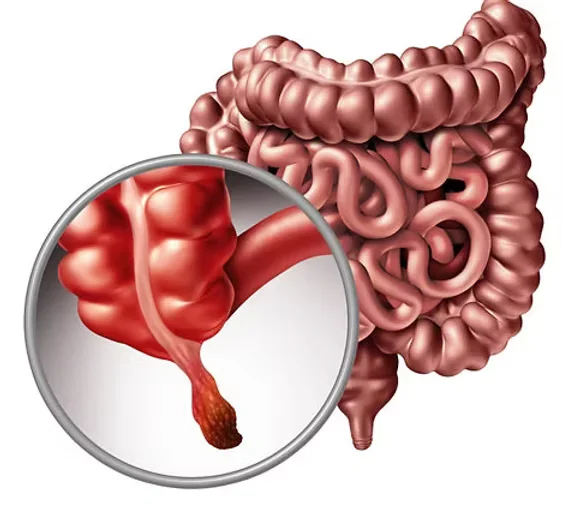
Appendicitis
Appendicitis is a medical emergency that can affect people of all ages. While it may begin as mild abdominal discomfort, it can quickly escalate into a life-threatening condition if left untreated. Recognizing the warning signs early and seeking immediate medical care can prevent serious complications and ensure a smooth recovery. This guide explains the symptoms, causes, diagnosis, and treatment options for appendicitis, with special focus on why timely appendicitis treatment in Rajahmundry is critical.
What Is Appendicitis?
Appendicitis occurs when the appendix—a small, finger-shaped pouch attached to the large intestine—becomes inflamed and infected. The inflammation usually develops when the appendix is blocked by stool, foreign material, or swelling of lymph tissue. Once blocked, bacteria multiply rapidly, causing pain, swelling, and pus formation.
Why Appendicitis Is a Medical Emergency
Appendicitis is not a condition that improves on its own. Unlike minor stomach pain or digestive discomfort, appendicitis progresses rapidly. A delay in treatment can result in:
Ruptured appendix
Peritonitis (infection of the abdominal lining)
Abscess formation
Sepsis (life-threatening infection)
Early Warning Signs of Appendicitis
Recognizing the early symptoms can make all the difference. While not everyone experiences symptoms in the same way, the following signs are commonly reported.
Abdominal Pain That Moves
The most classic symptom of appendicitis is abdominal pain that starts near the navel and gradually shifts to the lower right side of the abdomen. This pain often becomes sharper and more intense over time.
Loss of Appetite
A sudden loss of appetite is often one of the earliest warning signs. If you notice abdominal pain combined with an inability to eat, it may indicate inflammation in the digestive system.
Nausea and Vomiting
Nausea usually follows abdominal pain rather than preceding it. Vomiting may occur as the inflammation worsens. This sequence—pain first, nausea second—is an important clue that helps doctors differentiate appendicitis from food poisoning or stomach infections.
Advanced Symptoms That Require Immediate Care
As appendicitis progresses, symptoms become more severe and dangerous.
Severe Lower Right Abdominal Pain
Persistent and intense pain in the lower right abdomen is a strong indicator of appendicitis. Pressing on the area may cause extreme tenderness, and releasing the pressure may worsen the pain.
Fever and Chills
A low-grade fever often develops as the body fights infection. As the condition worsens, the fever may rise, signaling the spread of infection.
Swelling and Abdominal Bloating
Inflammation can cause the abdomen to feel swollen, tight, or hard, especially in children and older adults.
Inability to Pass Gas or Stool
Blockage of the intestines can lead to constipation or difficulty passing gas, accompanied by abdominal discomfort.
Warning Signs of a Ruptured Appendix
A ruptured appendix is a life-threatening emergency. Seek immediate medical attention if you experience:
Sudden relief of pain followed by severe abdominal pain
High fever
Rapid heart rate
Extreme weakness or dizziness
Severe abdominal tenderness
Appendicitis Symptoms in Different Age Groups
Appendicitis in Children
Children may have difficulty explaining their pain. Warning signs include:
Crying or refusing to move
Pulling knees toward the chest
Vomiting and fever
Abdominal swelling
Because symptoms can be vague, appendicitis in children is often diagnosed late, increasing the risk of rupture.
Appendicitis in Adults
Adults typically experience localized lower right abdominal pain, nausea, and fever. However, pain tolerance and symptom severity can vary.
Appendicitis in Older Adults
Older adults may experience mild or atypical symptoms, such as confusion or generalized abdominal discomfort. This makes prompt diagnosis even more important.
Appendicitis During Pregnancy
Appendicitis during pregnancy can be challenging to diagnose, as the growing uterus shifts abdominal organs. Pain may occur higher in the abdomen rather than the lower right side. Immediate evaluation is critical to protect both mother and baby.
What Causes Appendicitis?
Common causes include:
Blockage by hardened stool
Enlarged lymph tissue
Intestinal infections
Trauma to the abdomen
Tumors (rare cases)
How Appendicitis Is Diagnosed
Doctors use a combination of clinical examination and diagnostic tests, including:
Physical examination to check abdominal tenderness
Blood tests to detect infection
Urine tests to rule out urinary issues
Ultrasound or CT scan for confirmation
Accurate diagnosis is essential to avoid unnecessary delays in treatment.
Appendicitis Treatment Options
Emergency Surgery (Appendectomy)
The most common and effective treatment for appendicitis is surgical removal of the appendix. Surgery can be performed in two ways:
Laparoscopic appendectomy: Minimally invasive, faster recovery, less scarring
Open appendectomy: Used in complicated or ruptured cases
Early surgery significantly reduces complications.
Antibiotic Treatment
In select, uncomplicated cases, doctors may attempt antibiotic therapy. However, surgery remains the gold standard due to the risk of recurrence.
Recovery After Appendicitis Surgery
Recovery depends on the severity of the condition and the type of surgery performed.
After Laparoscopic Surgery
Hospital stay of 1–2 days
Return to normal activities within 1–2 weeks
Minimal scarring
After Open Surgery or Rupture
Longer hospital stay
Slower recovery
Higher risk of infection
Following post-operative instructions is crucial for a smooth recovery.
Why Timely Appendicitis Treatment in Rajahmundry Matters
Access to timely medical care plays a crucial role in preventing complications. Delaying treatment can turn a manageable condition into a life-threatening emergency. Prompt evaluation, accurate diagnosis, and advanced surgical care ensure better outcomes for patients seeking appendicitis treatment in Rajahmundry.
When to See a Doctor Immediately
Seek emergency medical care if you experience:
Persistent abdominal pain lasting more than a few hours
Pain shifting to the lower right abdomen
Fever with abdominal pain
Vomiting along with worsening pain
Abdominal swelling or tenderness
Ignoring these signs can have serious consequences.
Prevention: Can Appendicitis Be Avoided?
There is no guaranteed way to prevent appendicitis. However, a diet rich in fiber from fruits, vegetables, and whole grains may reduce the risk by preventing constipation.